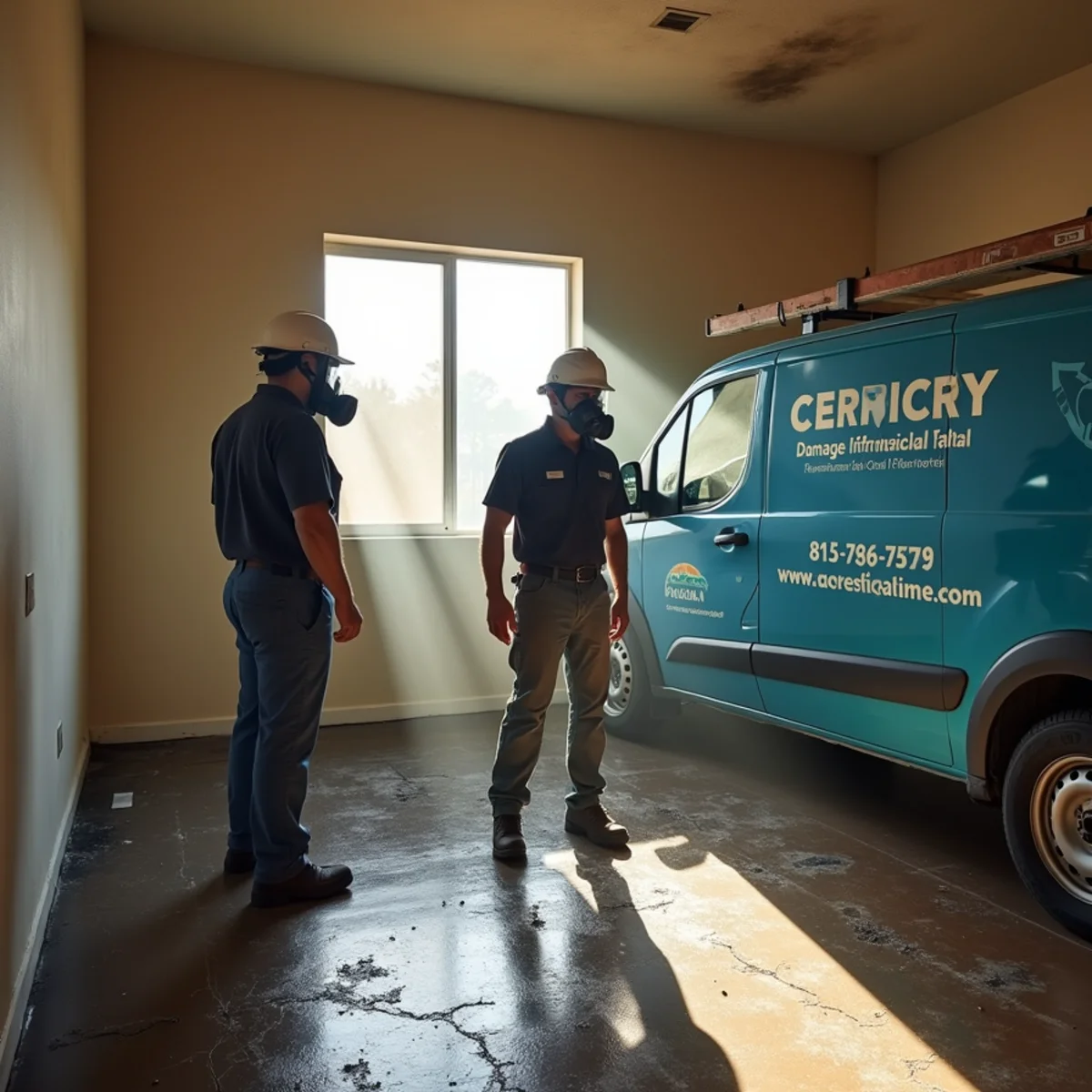
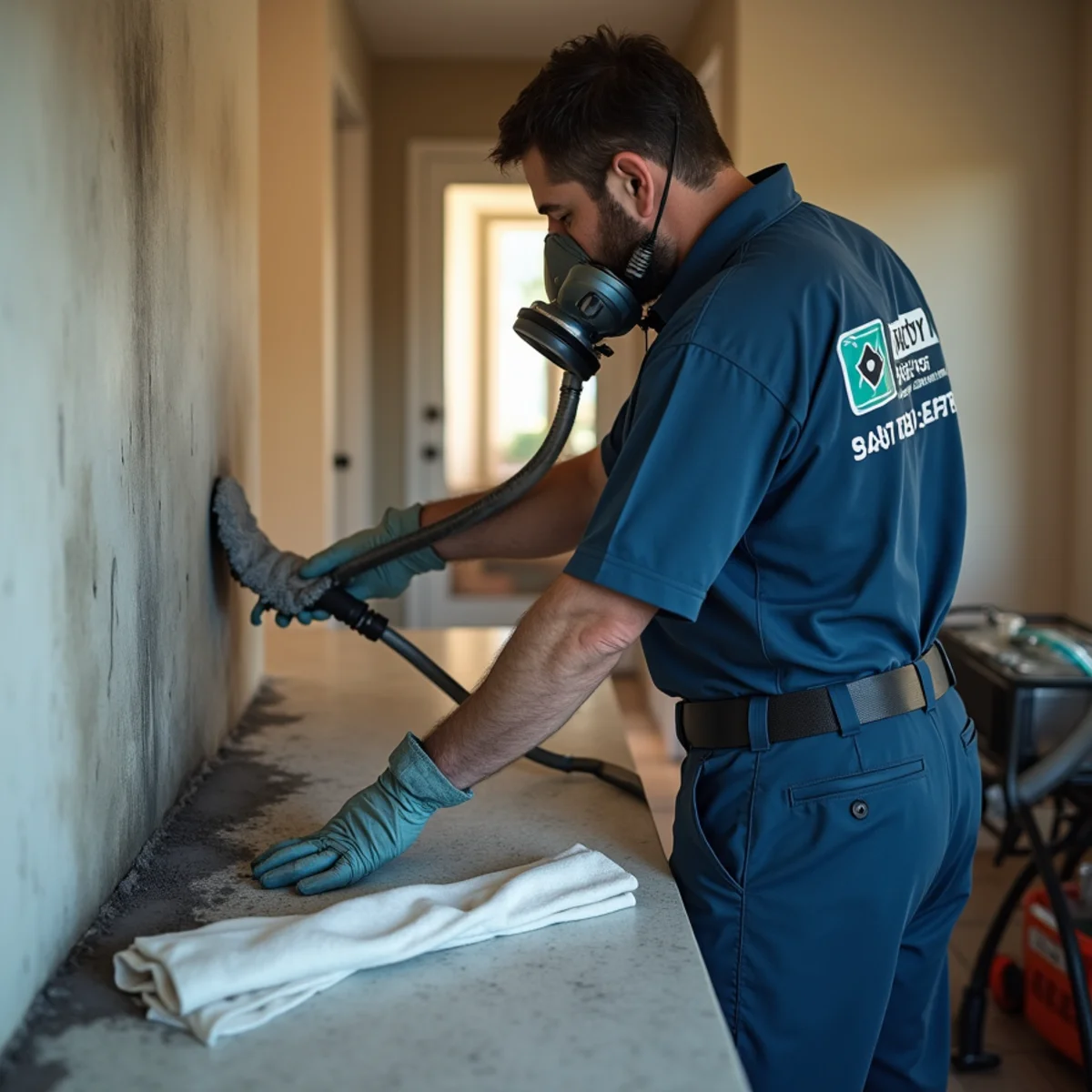
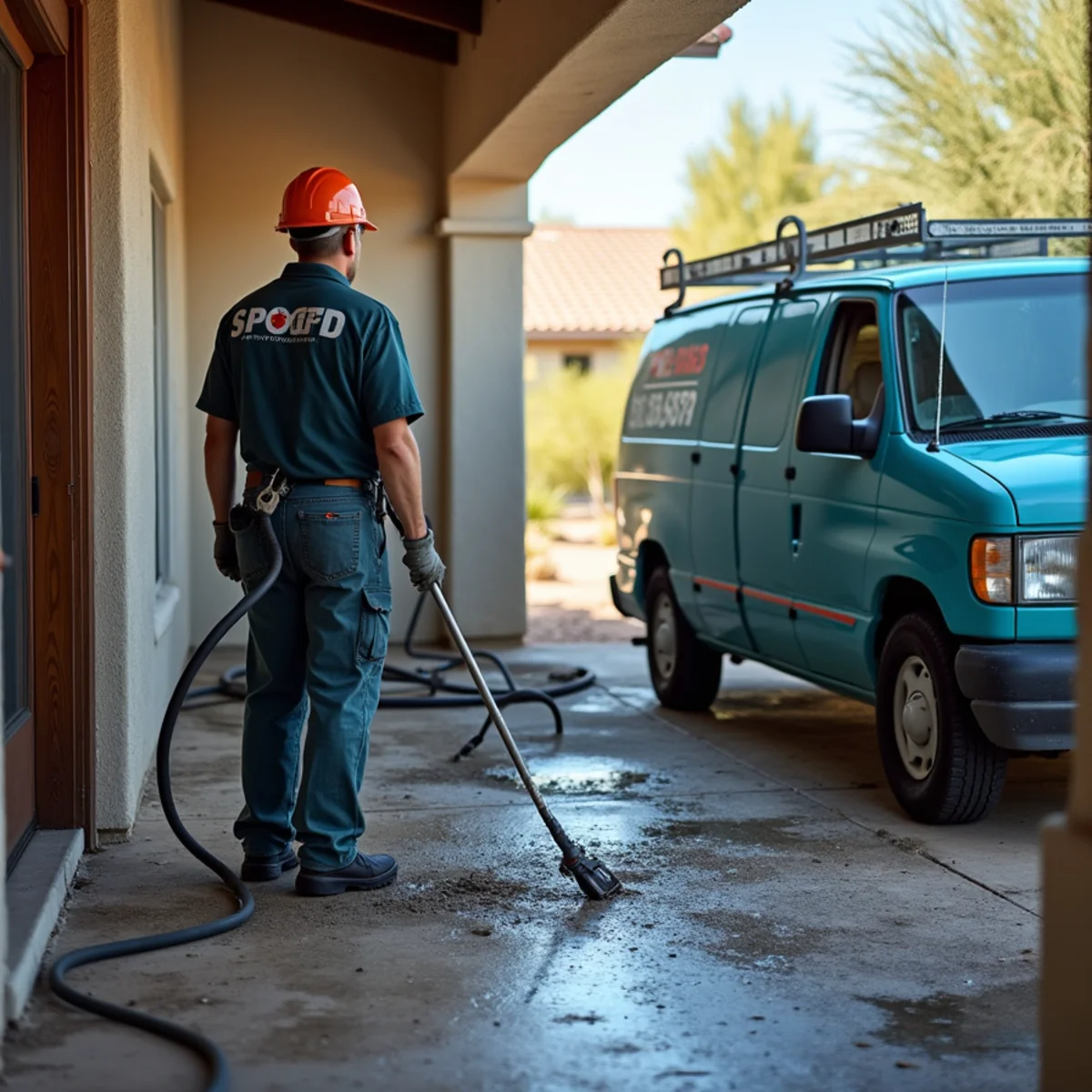
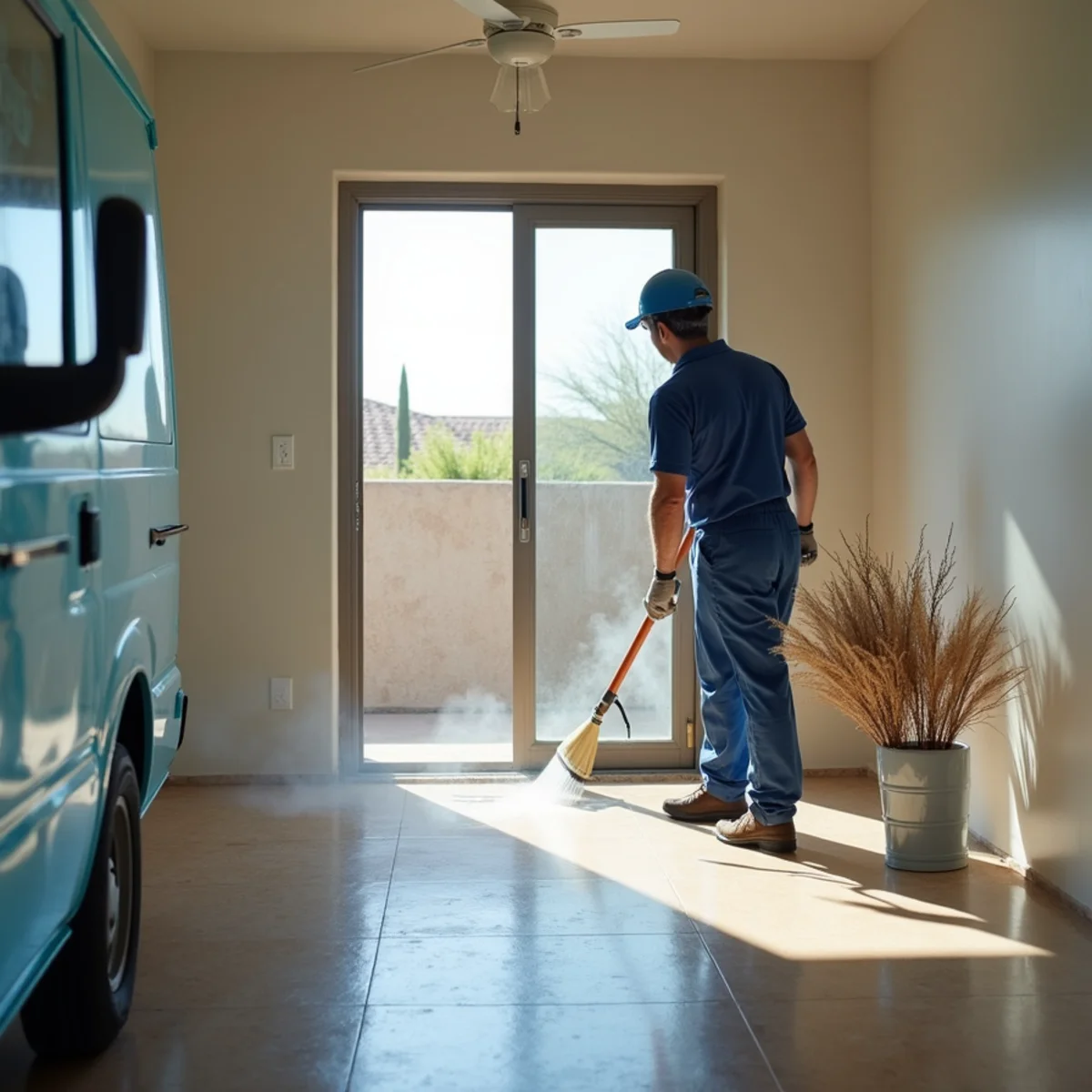
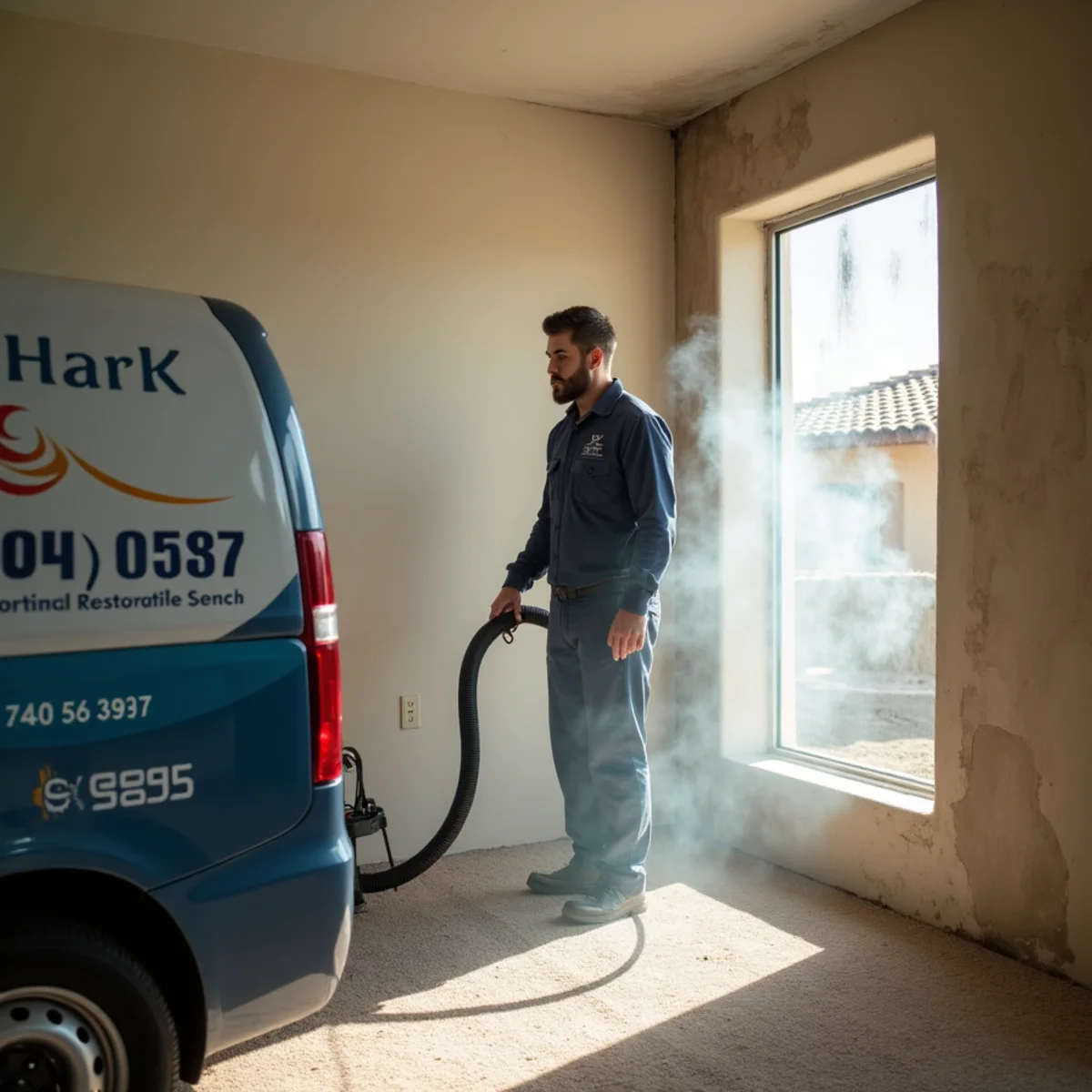
A house fire leaves three problems, not one: the flames, the soot and smoke that keep eating at surfaces for days, and the water from hoses or sprinklers soaking into your floors and walls. Stay out until the fire department clears the structure as safe, then call us at (866) 688-0301 and hand all three to one crew.
Do not wipe soot off walls or furniture — dragging a cloth across it grinds the stain in for good. Leave the HVAC off so it stops pulling smoke residue through the ducts into clean rooms. Open windows if you can, set undamaged items aside, and photograph every room before cleanup begins.
Fire restoration here is really a water job wearing a different name. The crew that put out the fire left hundreds of gallons behind, now soaking into drywall and framing. Drying structures is the work we do most, so that water is dried to the IICRC S500 standard by the same team that removes the soot, kills the odor, and rebuilds.
Why Smoke and Soot Are a Bigger Problem Than the Fire
The flames usually hit one area; smoke travels the whole house. Hot smoke drifts toward cooler rooms and rises into the attic, settling on walls, in closets, and over belongings that never saw flame. It heads straight for the HVAC returns, coats the ductwork, and rides out to every vent — which is how a small kitchen fire leaves a back bedroom smelling of smoke.
Soot is also chemically aggressive. Because it is acidic, the longer it sits the more it etches glass, pits metal, corrodes electronics, and permanently stains grout and marble. Type matters: dry smoke leaves a powdery soot that cleans up fairly well; wet smoke from a smoldering fire leaves a thick, smeary film; protein smoke from the kitchen leaves a near-invisible greasy residue. Each needs its own chemistry.
Then there is the water no one mentions. Putting out a house fire can take hundreds of gallons, and in a Tempe slab home it spreads fast across tile and into wall bases and cabinet kickplates. Left wet, it grows mold within 24 to 48 hours in our heat. Drying it correctly is the part most general contractors sub out — and the work our crew does every day, so soot and water are handled by one team.