Ceiling Water Stains: Finding the Real Source in Two-Story Homes
A ceiling stain is the end of the story, not the start. Water travels before it drops, so the stain rarely sits under the leak. Here is how to trace the real source.


Stained, sagging, or dripping ceiling? We find the real source, dry the cavity, and repair it right — 24/7, with a 60-minute response target across Tempe.
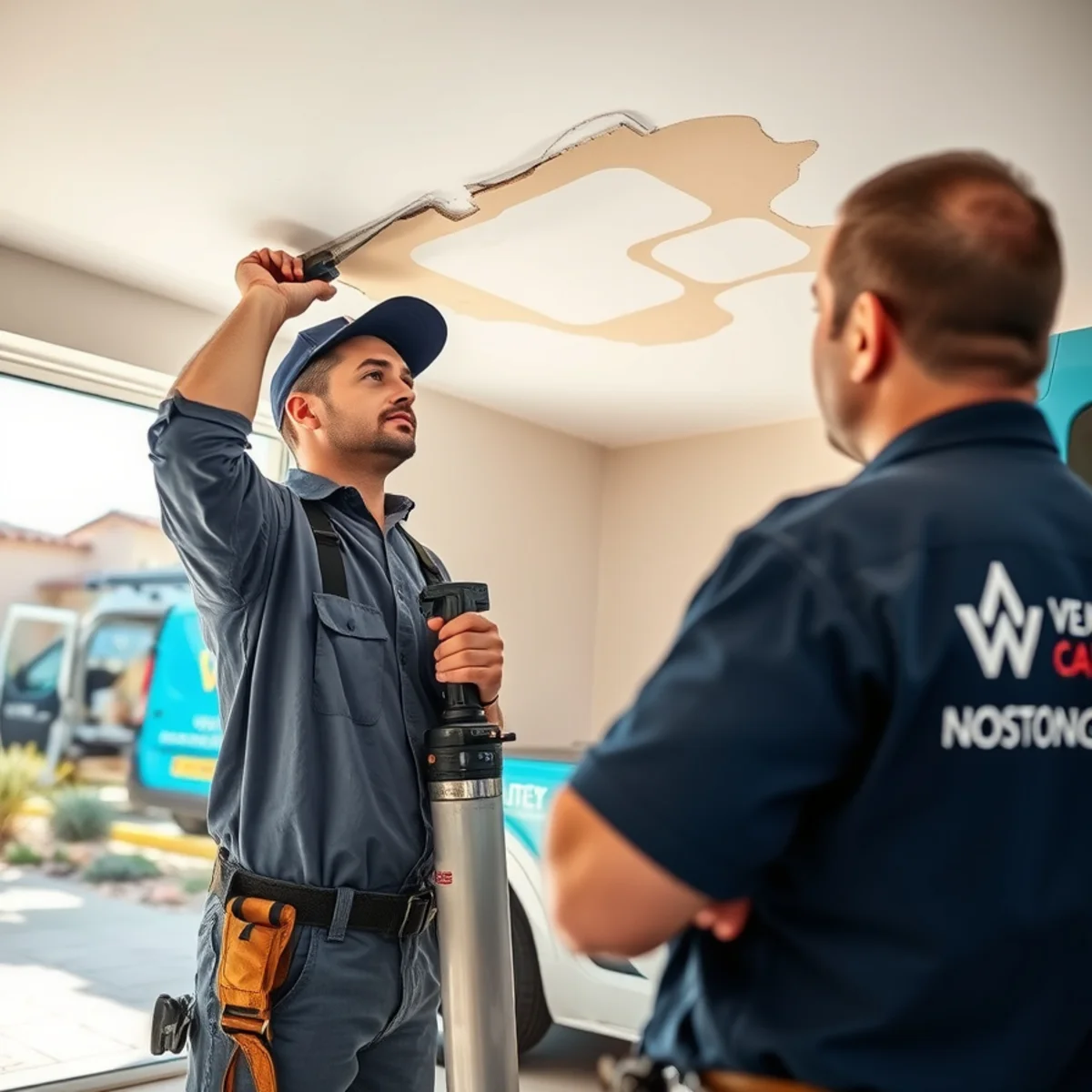
A brown ring, a soft bulge, or an actual drip from the ceiling — the ceiling is the symptom, not the problem. Water is arriving from somewhere above: a roof leak, an upstairs bathroom, a supply line, or a clogged AC condensate drain. Find the source and the repair holds. Miss it and the stain comes right back.
Painting over a water stain solves nothing. Water pools on top of the drywall and soaks in until the ceiling sags, then bulges, and can finally let go. Above it, wet insulation and framing sit dark and damp — the exact conditions where mold takes hold within 24 to 48 hours. In two-story Tempe homes, a bathroom, laundry, or water line running over a finished ceiling is a common path for all of it.
We work source-first. We trace where the water is really coming from, dry the ceiling cavity to a verified dry standard, and then rebuild. Call any hour — we answer 24/7 and push for a 60-minute arrival, because a sagging, water-filled ceiling is a safety problem, not just a cosmetic one.

Every ceiling water damage repair job covers the full scope — one crew from the first pass to the last moisture reading.
Active water emergency right now?
We answer 24/7 — a real person, not a machine.
Ceiling repair done right starts with the leak, not the drywall. We run on the IICRC S500 standard and always chase the source before we rebuild. Here is the sequence.
This is step one and it is the one that matters most. Using thermal imaging and moisture meters, we trace the water to its origin — roof, upstairs plumbing, AC condensate, or a pipe in the cavity — so the ceiling gets fixed once, not every few months.
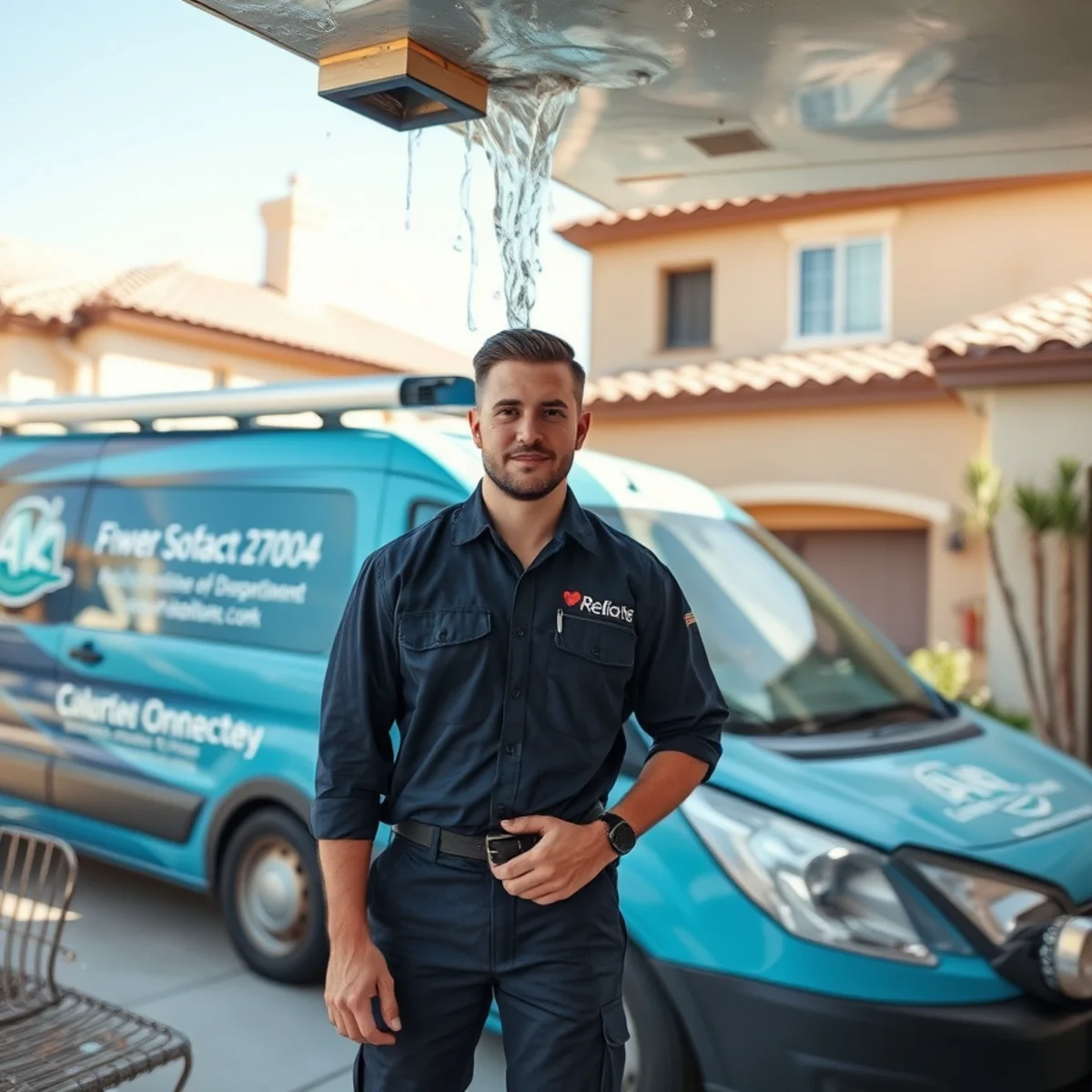
If the ceiling is bulging with trapped water, we relieve it in a controlled way to prevent a sudden collapse, stop active drips, and protect the floor and furnishings in the room below before any drying begins.
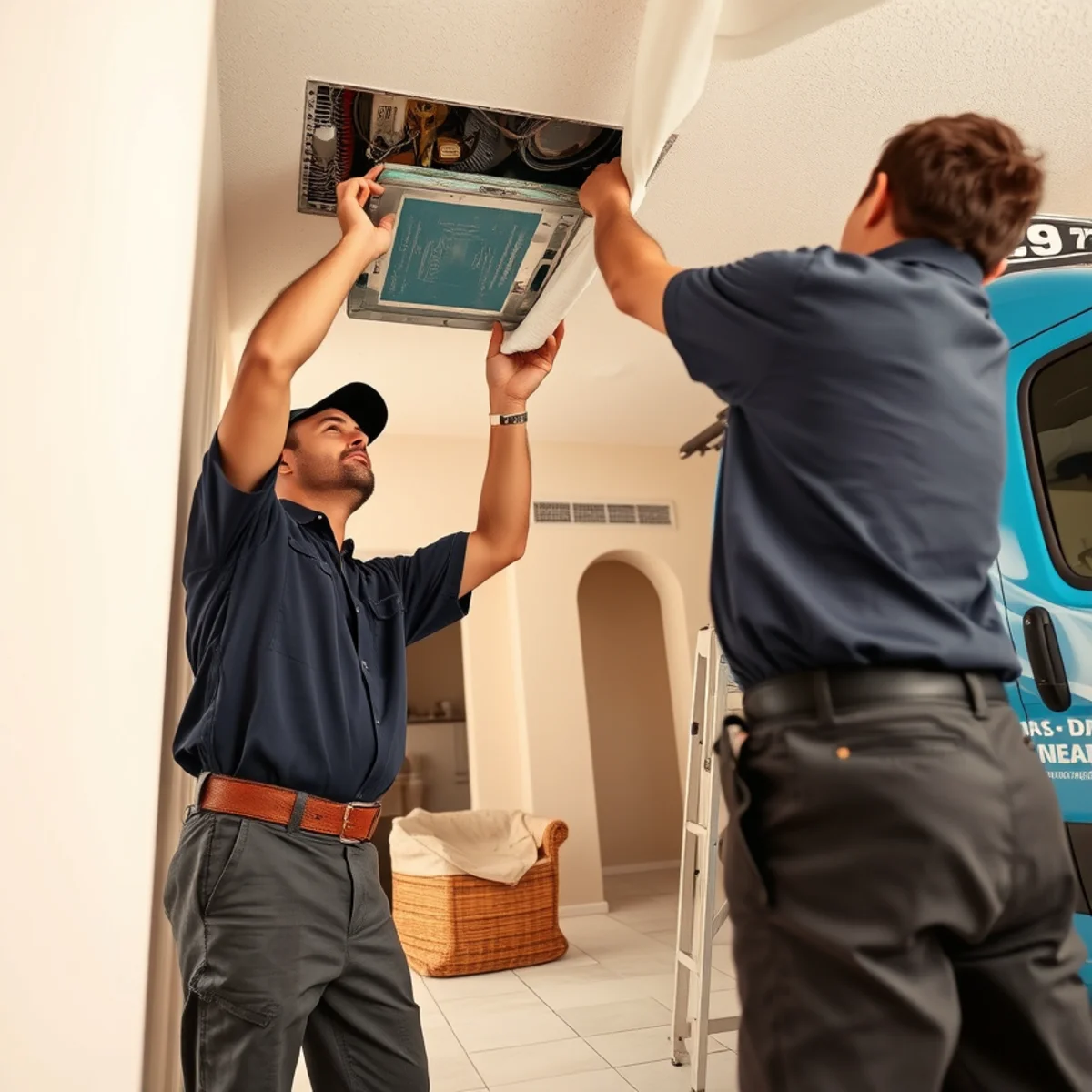
We open or vent the assembly as needed and set air movers and dehumidifiers to dry the drywall, insulation, and framing above to a verified dry standard. Saturated insulation almost always comes out — it will not dry trapped in the cavity.
A dark, damp ceiling cavity is a favorite spot for mold, so we inspect it, apply antimicrobial treatment where needed, and confirm the space is clean and dry before anything gets closed back up.
We patch or replace the drywall, match the texture — smooth, knockdown, or popcorn — then seal the stain and paint so the finished ceiling blends into the rest of the room with no ghost of the leak left behind.
In a two-story home, bathrooms, laundry rooms, and water lines sit directly above finished ceilings. A small supply-line drip, a tub that overflows, or a failed toilet seal travels down through the floor and shows up as a stain on the ceiling below, sometimes several feet from where it actually started. Add low-slope roofs during the June 15–Sept 30 monsoon and attic AC condensate lines, and the ceiling ends up catching water from several directions.
This is why we refuse to just patch and paint. Repair a ceiling without fixing what is above it and the water returns, this time into fresh drywall. We identify the source so the origin can be corrected — whether that is our repair or the right trade for a roof or a pipe — and only then do we rebuild, so you pay for the ceiling once.
On insurance, a sudden ceiling leak from a burst line or a storm event is generally handled differently from a long-ignored drip, which can be excluded as maintenance. We document the source and the damage together to support your claim. This is general information, not coverage advice — your policy governs what applies.

We never quote a scary number over the phone. After a free on-site assessment you get a clear estimate. These are the factors that move the price:
We answer 24/7 and dispatch immediately, with a 60-minute response target across the south-side Valley.
Our yard sits on Auto Drive in 85284 near the I-10 Broadway Curve — not a call center three states away.
IICRC-certified crews following the S500 drying standard, with documentation your adjuster expects.
Extraction, drying, and full repair under one roof — you never juggle multiple contractors.
We document every reading and photo and work directly with your carrier to keep the claim moving.
We monitor moisture daily and prove the structure is dry — the real way to stop mold.
Yes — that is where we start. Thermal imaging and moisture meters let us trace the water to its source, whether it is a roof, an upstairs bathroom, a pipe, or the AC, so the fix actually lasts.
A bulge means trapped water and real weight, so treat it as urgent and call now. We relieve it in a controlled way to prevent a sudden collapse, then dry and repair. Keep people and pets out of the room until we arrive.
We handle the water damage, drying, and ceiling rebuild, and we make many source repairs directly. When the origin is a roof or a plumbing line that calls for that specific trade, we identify it and coordinate so it is corrected before we close the ceiling.
Yes. Matching smooth, knockdown, and popcorn textures is routine for us. We blend the patch into the surrounding ceiling and repaint so the repair does not stand out.
A sudden leak is usually treated more favorably than a slow, neglected one, which may be excluded as maintenance. We document the source and damage to support your claim. What applies comes down to your policy, so take this as general guidance only.

A ceiling stain is the end of the story, not the start. Water travels before it drops, so the stain rarely sits under the leak. Here is how to trace the real source.

In an Arizona summer, your AC pulls gallons of water out of the air every day. When the condensate drain clogs, that water backs up and comes through the ceiling. Here is what to do.
When you call, a real person answers and a crew is dispatched immediately — with a 60-minute response target across South Tempe, Ahwatukee and Chandler.