A sewage backup is the water loss no one wants. A toilet overflows and keeps coming. A floor drain in the garage or laundry room pushes up dark water. A main line backs up and sends waste into the lowest rooms of the house. It is foul, it is alarming, and unlike a clean-water leak, it is genuinely hazardous the moment it appears.
Sewage is classified as Category 3 water — black water — and for good reason. It carries bacteria, viruses, and other pathogens that can make people and pets seriously ill through contact or through the air. It soaks into porous materials fast: carpet, pad, drywall, and particleboard act like sponges and cannot be disinfected back to safe. The smell is bad, but the invisible contamination is the real problem. And in Tempe’s heat, a wet, contaminated space grows mold within 24 to 48 hours. This is not a mop-and-bleach situation.
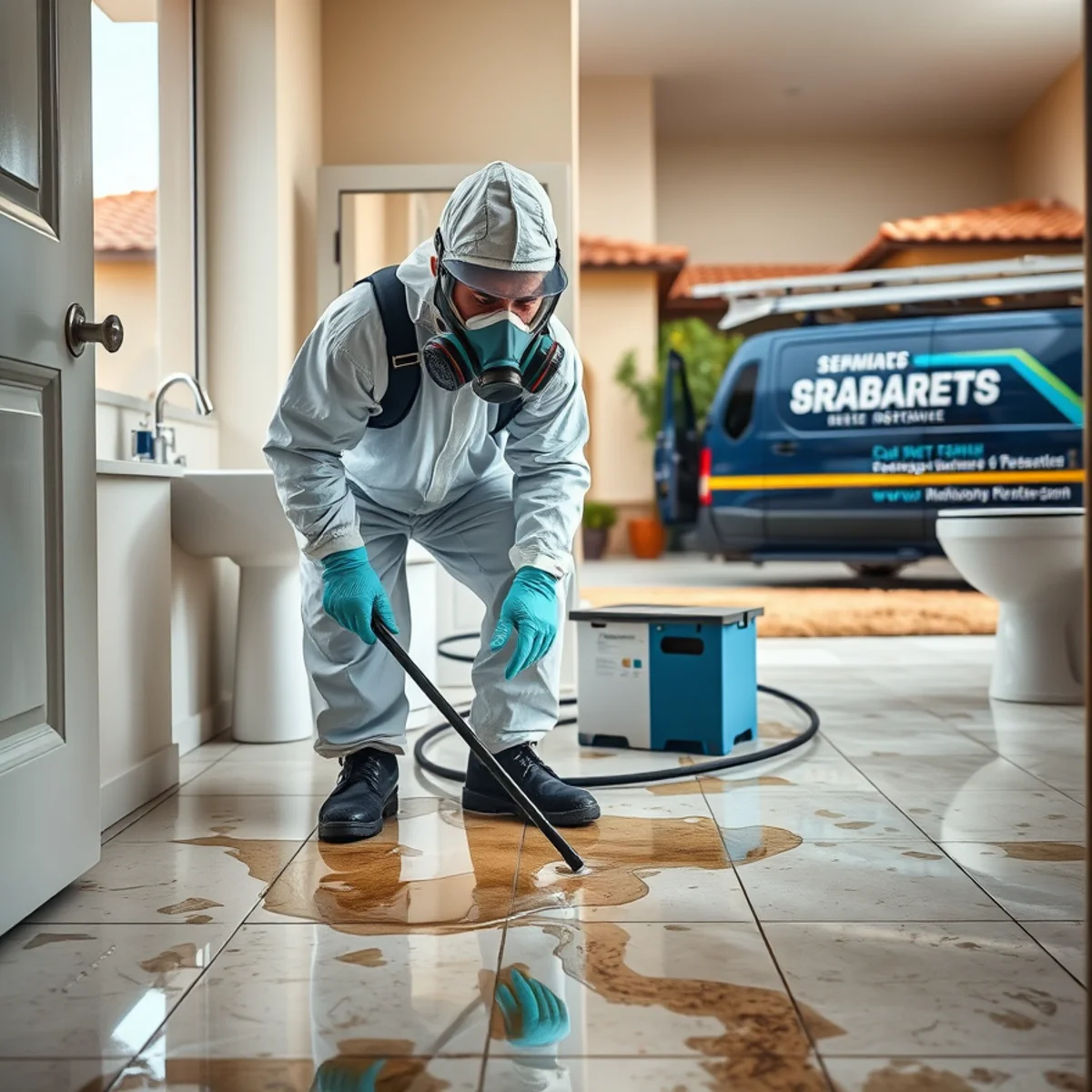
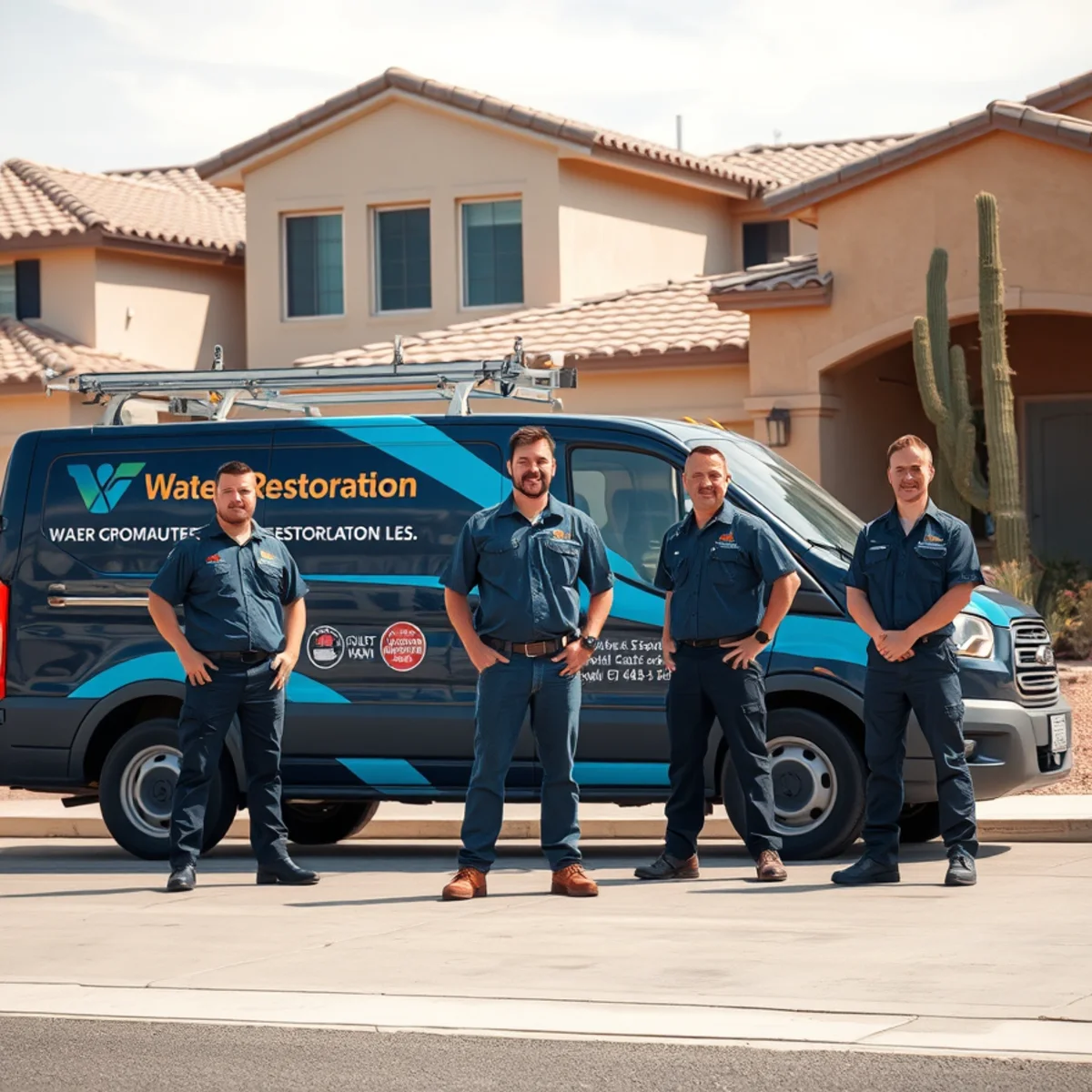
We handle sewage the way it needs to be handled — as a biohazard, with the right protection, containment, and disinfectants. From our base off I-10, we come fully equipped to remove the waste, tear out what the sewage ruined, and disinfect and deodorize the structure so your home is genuinely safe again, not just cleaned up on the surface. A real person answers the moment you call, at any hour, because a backup is not something to live with overnight.
Why Sewage Cleanup Is Never a DIY Job
The instinct to grab gloves and a mop is understandable, and it is exactly the wrong move with sewage. Category 3 water can carry E. coli, hepatitis, parasites, and other pathogens that spread by contact and by aerosol — meaning you can breathe them in while you clean. Without containment, protective equipment, and the right disinfectants, a do-it-yourself cleanup tends to spread contamination through the house and expose the family to what should have stayed sealed off. The health math simply does not favor doing this yourself.
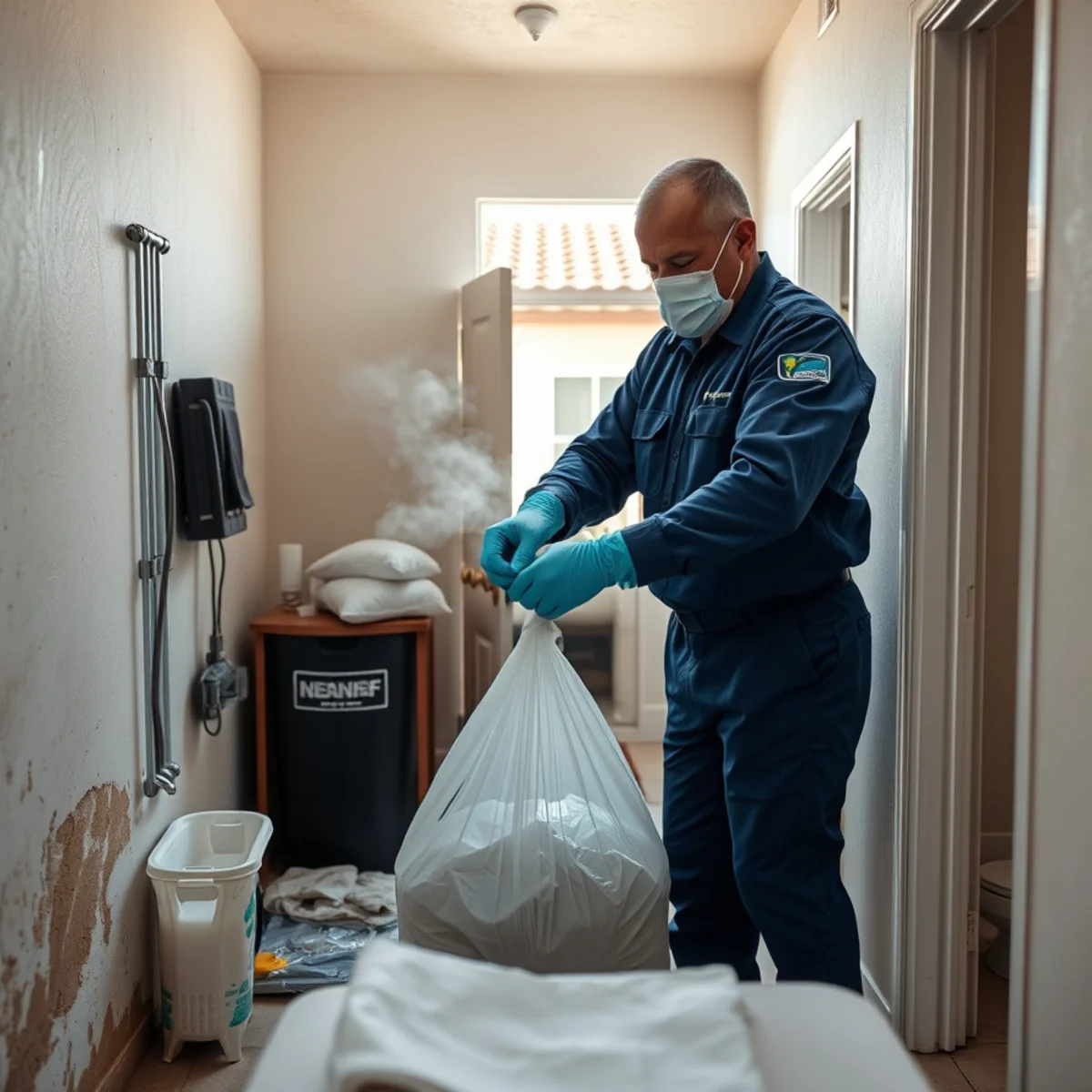
There is also a hard truth about what can be saved. Sewage does not just sit on top of porous materials; it penetrates them, and no amount of surface cleaning makes soaked drywall or carpet pad safe again. Professional standards call for removing and disposing of those materials, then disinfecting and drying what remains. It feels wasteful in the moment, but it is the only way to return a home to a truly sanitary condition. Hard, non-porous surfaces are a different story and can usually be disinfected and kept.
On the insurance side, sudden sewer or drain backups are sometimes covered — often through a specific backup endorsement rather than the base policy — while long-neglected problems may be excluded. We document the source, the contamination, and every material we remove so your claim reflects the real scope. (This is general information, not coverage advice; your policy and its endorsements control what applies.)