A slab leak is a sneaky emergency. The failed pipe is buried in the concrete under your feet, so the first thing you notice is not a spray of water but a warm patch on the floor, a section of carpet that stays damp, or a water bill that jumped for no reason. By the time water is pooling on the surface, it has usually been wicking into your slab and lower walls for a while.
The one move that helps immediately is shutting off the main water valve — because the leak is under the slab, you cannot patch it from above, so cutting the supply is how you stop it. Note where the floor feels warm or wet and photograph the damp areas. Keep power off to any wet room at the breaker until things are dry. Then call.
We answer live around the clock, and our crews stage near the I-10 Broadway Curve for a 60-minute response target across South Tempe, Warner Ranch, Corona del Sol, and Mesa. Slab leaks love the older ranch homes down here, and we know exactly how the water moves through them.
Slab-on-Grade Homes and the Water You Cannot See
Most Tempe-area homes sit on slab-on-grade foundations, with the water lines run through or beneath the concrete. It is an efficient way to build, but it means an aging supply line can fail where no one can reach it, and the water has to go somewhere — usually sideways through the slab and up into the flooring and wall plates. The ranch homes of South Tempe, Warner Ranch, and Corona del Sol are prime candidates simply because their plumbing has had decades to wear.
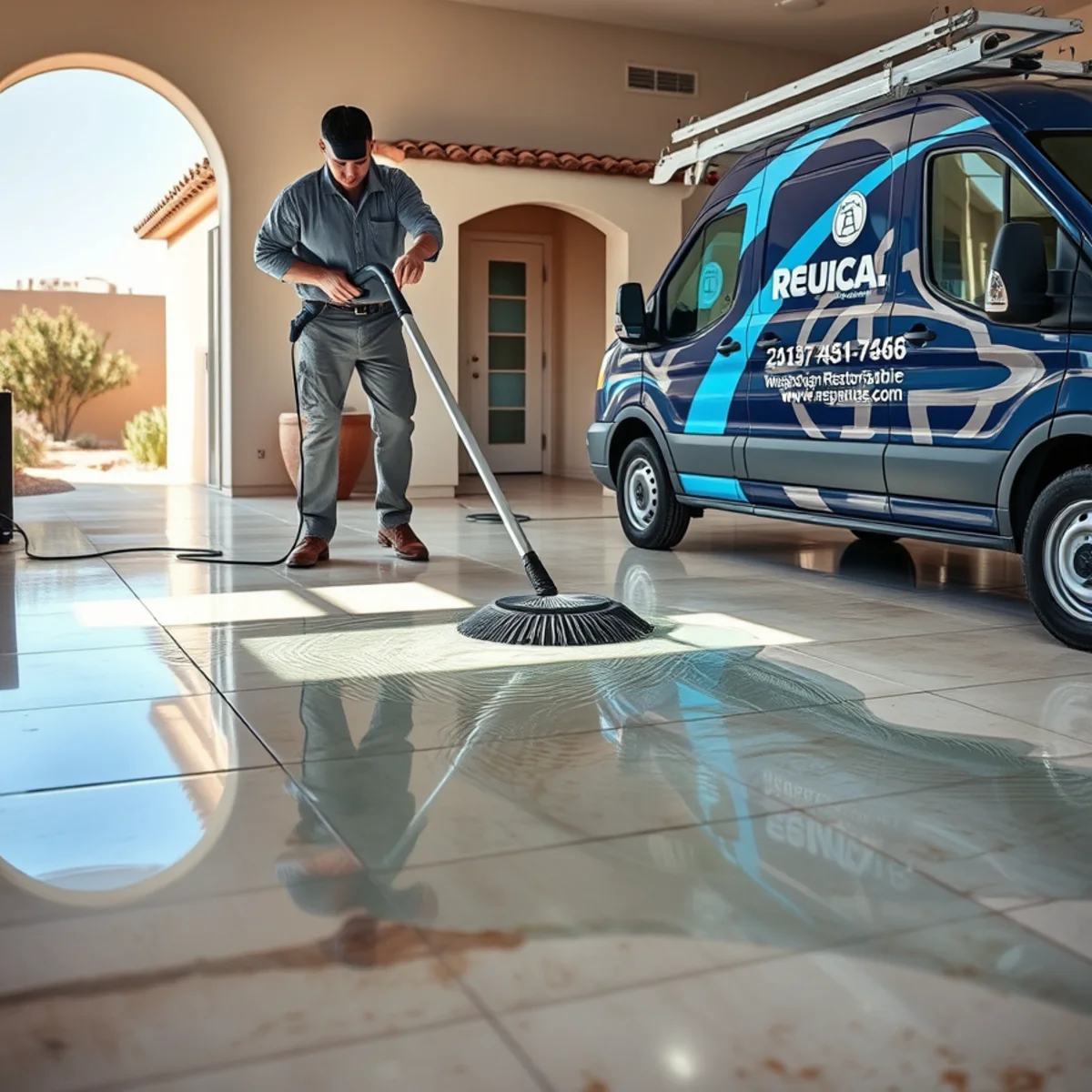
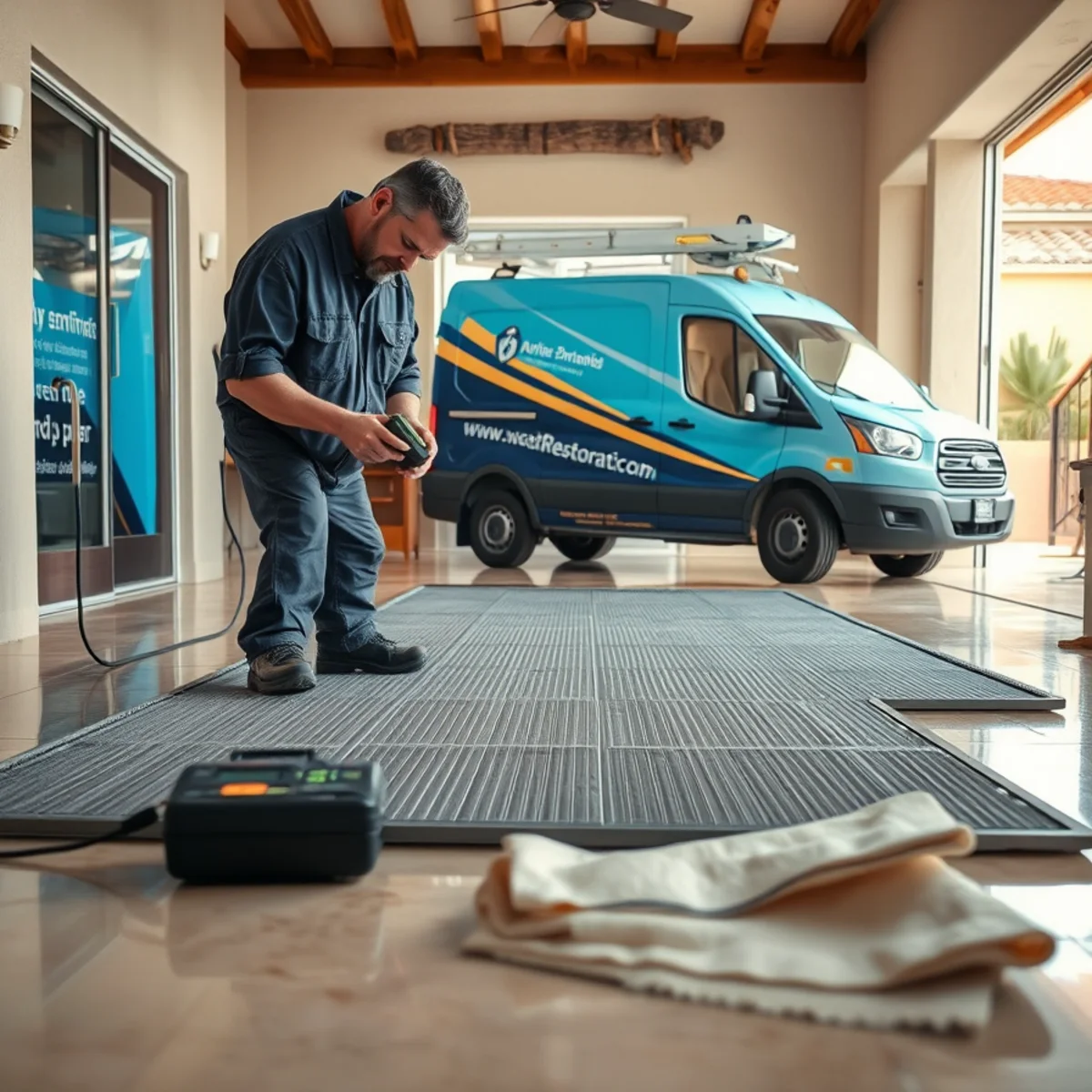
Because a slab leak hides, the damage is often wider than the homeowner expects. Water can travel under tile across an entire room and wick up drywall a foot or more before anything shows. We dry the whole moisture map we find, not the patch you first noticed, because a missed wet pocket against a slab is exactly where mold gets its 24-to-48-hour start.
On coverage: many Arizona policies pay to repair the water damage from a sudden slab leak and to access the pipe, even when the pipe repair itself is excluded — but the details vary a lot from policy to policy. We document the loss thoroughly so your adjuster has what they need, and we are candid that this is general information, not a determination on your specific coverage.