

Most Tempe ranch homes from the 1960s through the 1990s sit on a concrete slab, with copper water lines run through or under that slab. Copper and decades of hard water do not get along. A pinhole opens, and because the pipe is buried in concrete, the water has nowhere obvious to go. It travels sideways under your flooring first, so the leak is often weeks old before anything looks wrong.
That hidden head start is why slab leaks do so much damage in neighborhoods like Camelot Village off McClintock and Southern. The good news is that a slab leak almost always leaves clues before it floods a room. Learn to read them and you can call for help while the fix is still small. Here are the seven we see most often, in the order they usually show up.
Key Takeaways
- Slab leaks in older Tempe homes hide under the concrete and travel sideways, so they are usually weeks old before a room floods.
- The clearest early signs are a warm spot on the floor, the sound of running water with everything off, and a water bill that climbs on its own.
- Cracked or hollow tile, lifting laminate, and soft drywall near the floor all mean water is already moving under the slab.
- A musty smell low on a wall points to mold, which can start within 24 to 48 hours in Arizona heat.
- Confirm with the meter test, then call for thermal-imaging leak detection before anyone breaks concrete.
A warm spot on the floor you cannot explain
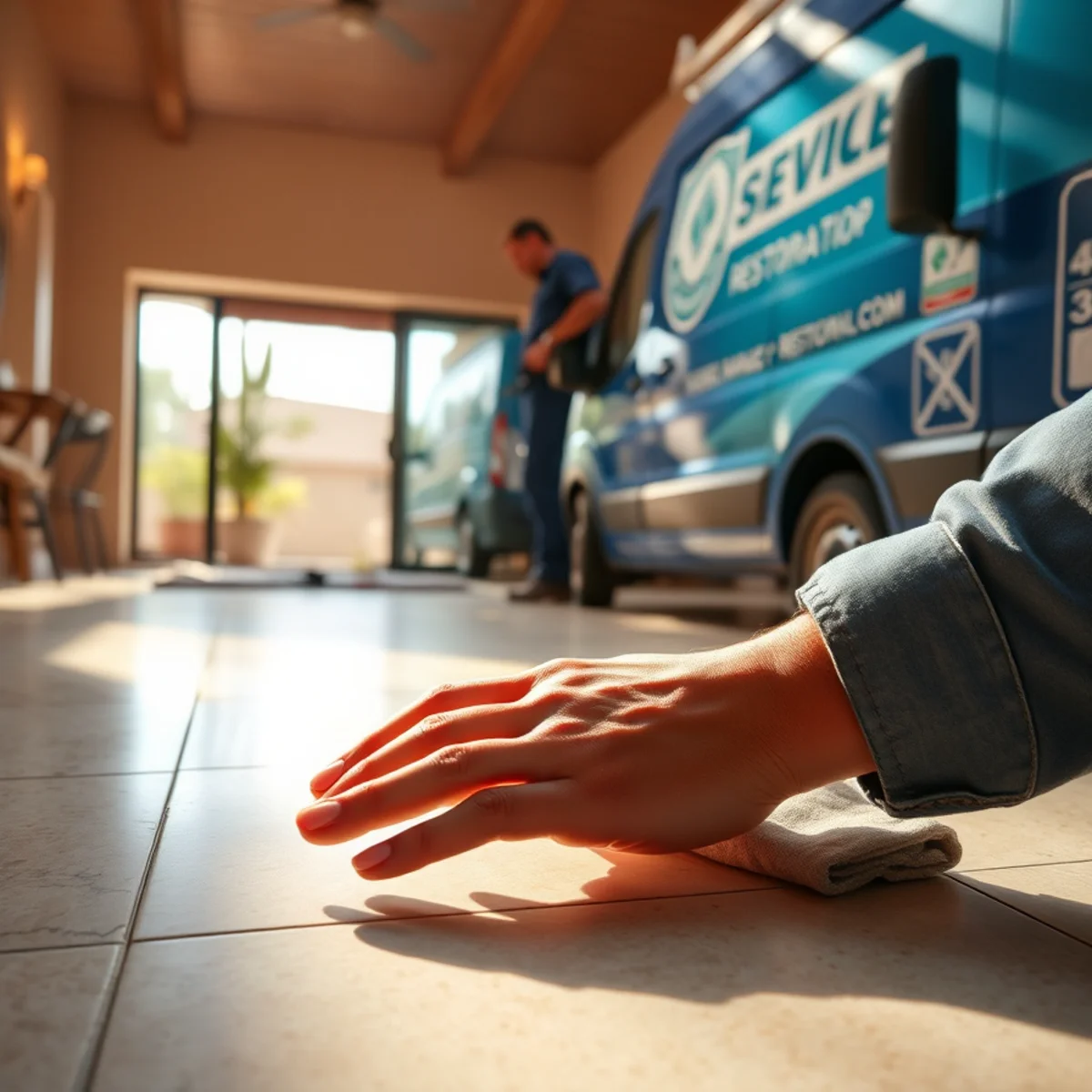
Most Tempe slab leaks are on the hot-water side, because hot water corrodes copper faster than cold. When that line weeps under the slab, it slowly heats the concrete above it. Walk your tile or laminate barefoot in the morning and you may find one patch that is noticeably warm while the rest of the floor stays cool.
Pets often find it before you do. If the dog or cat suddenly favors one spot on the floor for no reason, pay attention to where they are lying. It is a simple, honest clue, and a warm patch with no window or vent above it points toward a hot-water slab leak better than almost anything else on this list.
The sound of running water with everything off

Stand in the quietest part of the house late at night and just listen. A slab leak under pressure makes a faint hiss or a trickle behind the floor or a lower wall, even with every faucet, toilet, and appliance shut off.
Put your ear against the floor or a lower cabinet wall to test it. If you hear water moving when nothing should be running, that sound is your pipe losing water into the ground. It is one of the clearest signs there is, and it is easy to miss only because we tune out the background noise of our own homes. A quiet house at 2 a.m. is where you will catch it.
Active water emergency right now?
We answer 24/7 — a real person, not a machine.
A water bill that keeps climbing on its own

A slab leak wastes water around the clock, so it shows up on your bill before it shows up on your floor. If your usage jumps and nothing about your household has changed, treat that as a warning, not a billing error.
A hot-water slab leak stings twice, because you are also paying to heat water that never reaches a tap. If two bills in a row climb with no seasonal reason — no new landscaping, no houseguests, no pool being topped off — that pattern alone is worth ten minutes with the meter. You can confirm it yourself:
- Shut off every water fixture and appliance in the house.
- Find your water meter at the street and note the reading, or watch the small flow indicator.
- Wait fifteen minutes without using any water, then check the meter again.
- If the numbers moved, water is escaping somewhere between the meter and your fixtures.
Tile that cracks and floors that lift
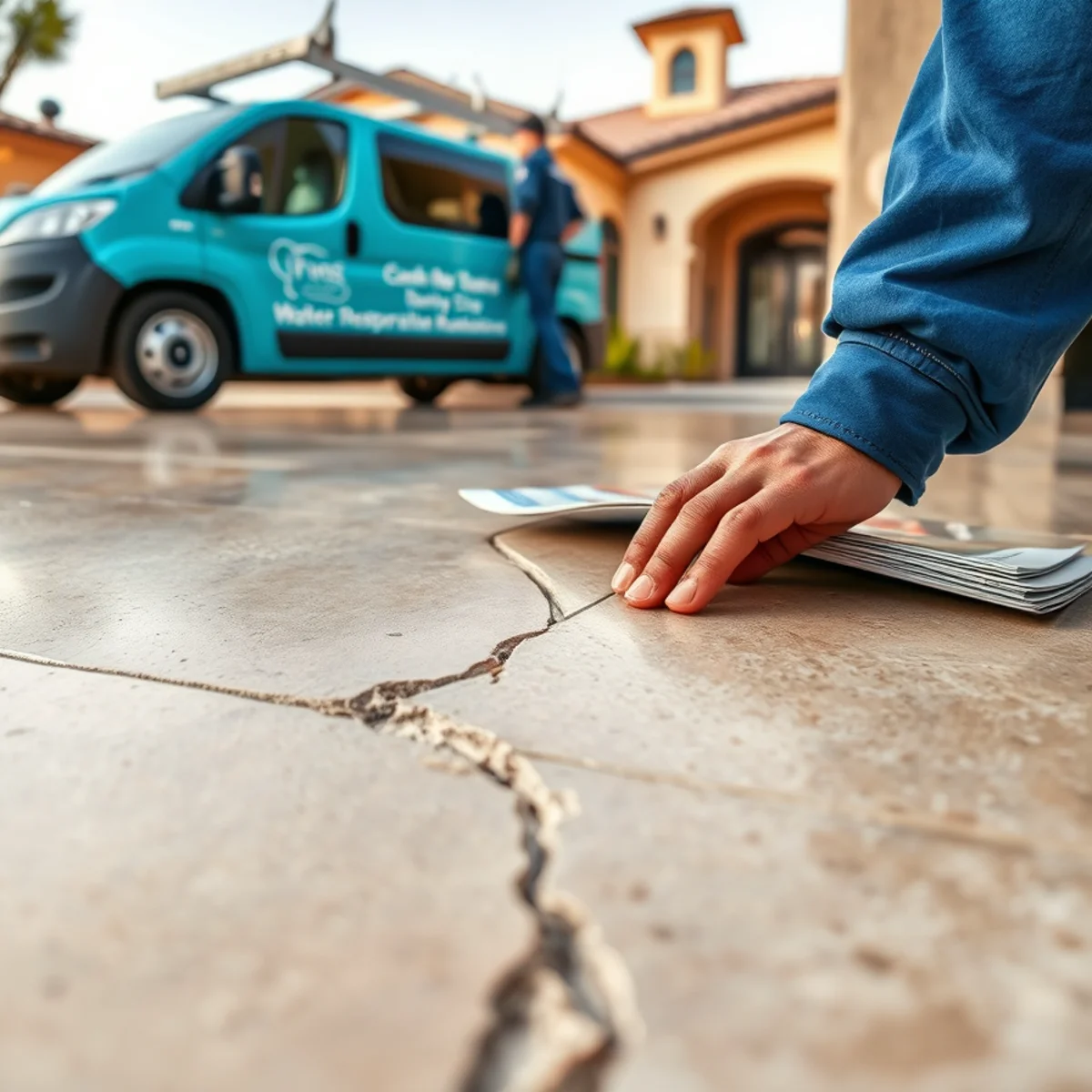
Water trapped under a slab has to push somewhere. Over weeks it works up through grout lines and expansion joints, and the flooring above starts to move. Tile can crack in a straight line or sound hollow when you tap it, because the mortar bond underneath has let go. Laminate and engineered wood swell and lift at the seams.
In 1960s and 70s block homes we also see baseboards that darken from the bottom up and drywall that feels soft a few inches off the floor. That low band of damage, right at the base of the wall, is the signature of water moving under the slab rather than falling from above. Damage from the floor up almost always means the slab, not the roof.
A musty smell or mold near the floor
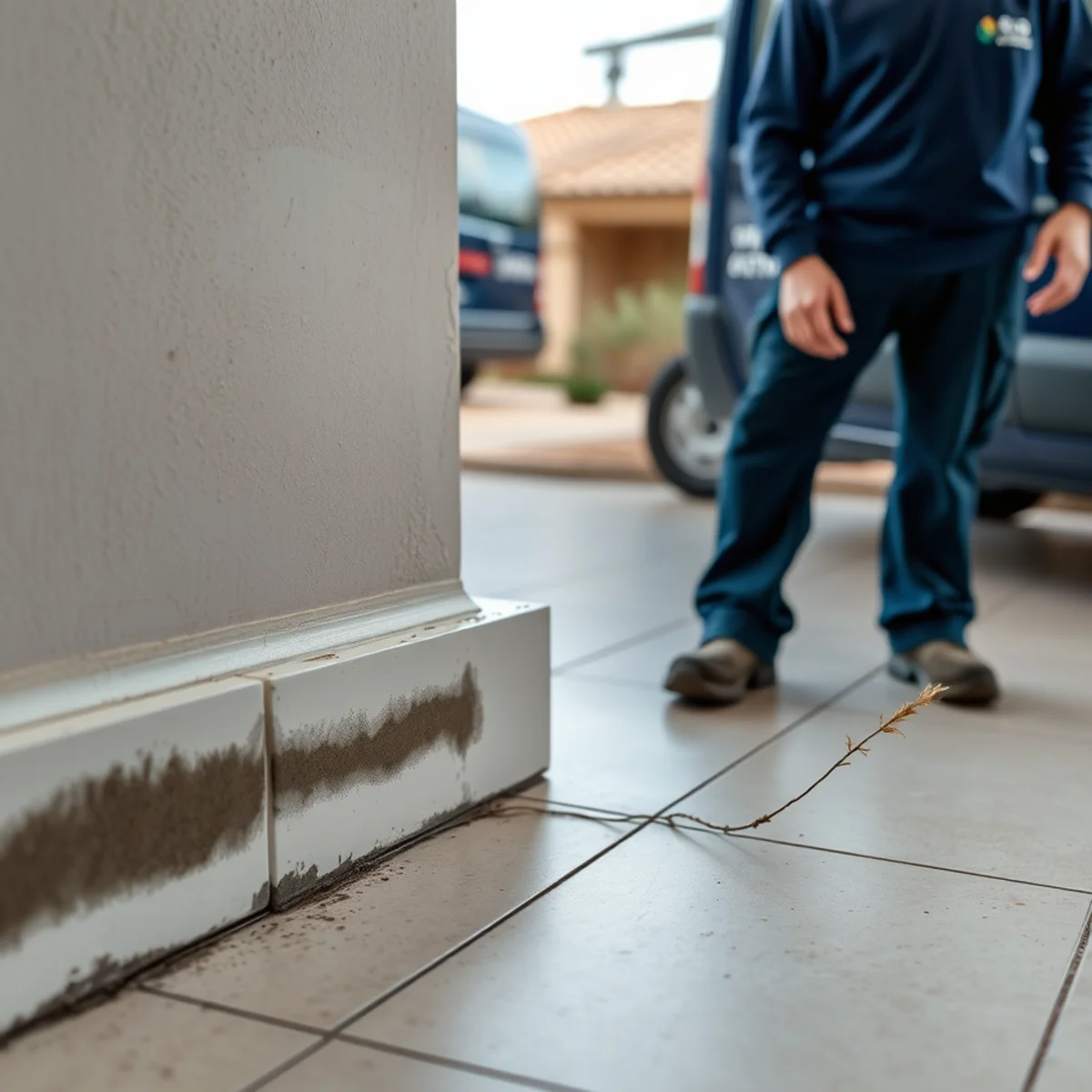
Warm, wet concrete and drywall are exactly what mold wants. In Tempe’s heat, mold can take hold within 24 to 48 hours of a surface staying damp. With a slow slab leak, that clock started long before you noticed anything, so growth is often already underway by the time you smell it.
If a room smells musty and the odor is strongest near the floor, in a closet, or along an exterior wall, do not wait it out. That smell is telling you the wall base has been wet for a while. It is not going to air out, because the source under the slab is still feeding it water every hour.
One quick check: open the nearest floor-level cabinet or the base of a coat closet and take a breath in there. Still, trapped air holds the odor most strongly, and a closet backing onto a plumbing wall is a common spot for a slab leak to announce itself before the carpet ever feels damp underfoot.
Weak hot water and a heater that never rests
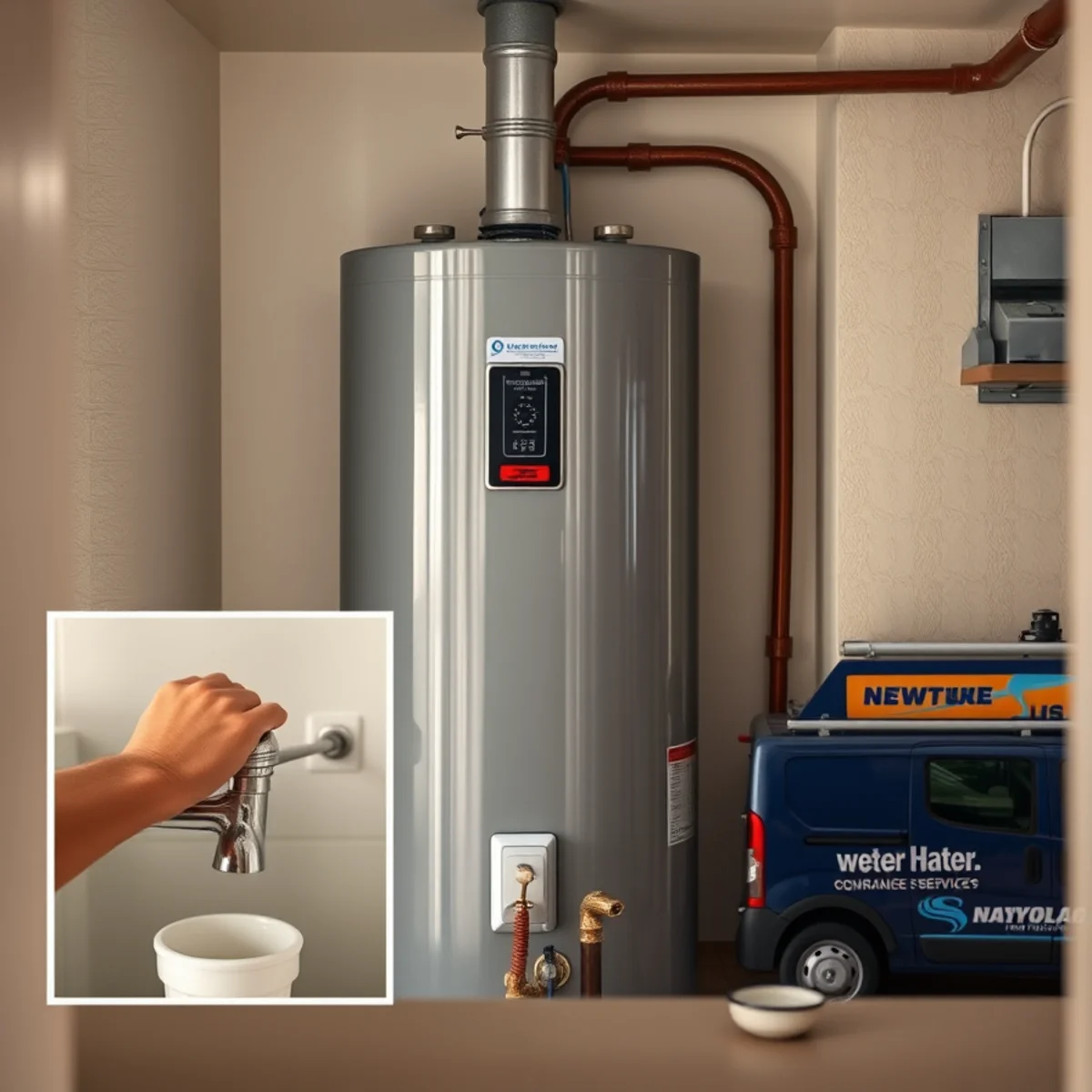
Two signs tend to arrive together late in a slab leak. First, hot-water pressure drops, because pressure is bleeding out through the break before it ever reaches your taps. Second, your water heater runs more and more to keep up with hot water that is quietly draining into the ground.
On their own, each of these is easy to explain away as an aging fixture or a busy week. Put them next to the earlier clues, though, and the picture sharpens. A weak shower plus a heater cycling at odd hours plus a warm patch of floor is not three coincidences. That combination points straight at a hot-water line under the slab.
What to do the moment you suspect a slab leak

Do not break up any concrete on a hunch. The first job is to confirm the leak and pinpoint it without tearing up the house. We locate slab leaks with thermal imaging and moisture meters, then map how far the water has already traveled under the flooring before anyone picks up a tool. That way the slab gets opened in one right place, not three wrong ones.
From there we handle the whole job as one crew — extraction, structural drying to the IICRC S500 standard, and the repair — with photos and moisture logs for your insurance the entire way. If you own an older ranch home anywhere in Tempe and something on this list sounds familiar, call our slab leak team. We answer 24/7 and target a 60-minute response, so the leak under your floor stops being a mystery today instead of a gutted room next month.
Frequently Asked Questions
Can I find a slab leak myself?
You can gather strong evidence with the meter test and by listening for running water at night, and that is worth doing before you call. Pinpointing the exact spot under the slab, though, takes thermal imaging and acoustic tools, so the concrete is only opened where the pipe actually failed.
How much damage can a slab leak really do?
More than most people expect. One inch of water across a floor can cause around $25,000 in damage, and a slab leak feeds water in slowly for weeks. Catching it early is the difference between a small repair and a gutted room.
Is a warm floor always a slab leak?
Not always, but it is worth checking. A warm patch can also come from a sunlit window or a heating element. When the warmth has no obvious source and lines up with other signs like a rising bill or a musty smell, a hot-water slab leak is the likely cause.
Do you repair the slab, or just dry it out?
Both. We stop and locate the leak, extract the water, and dry the structure to a verified standard, then restore the flooring and drywall we had to open. You work with one crew from the first moisture reading to the final repair.