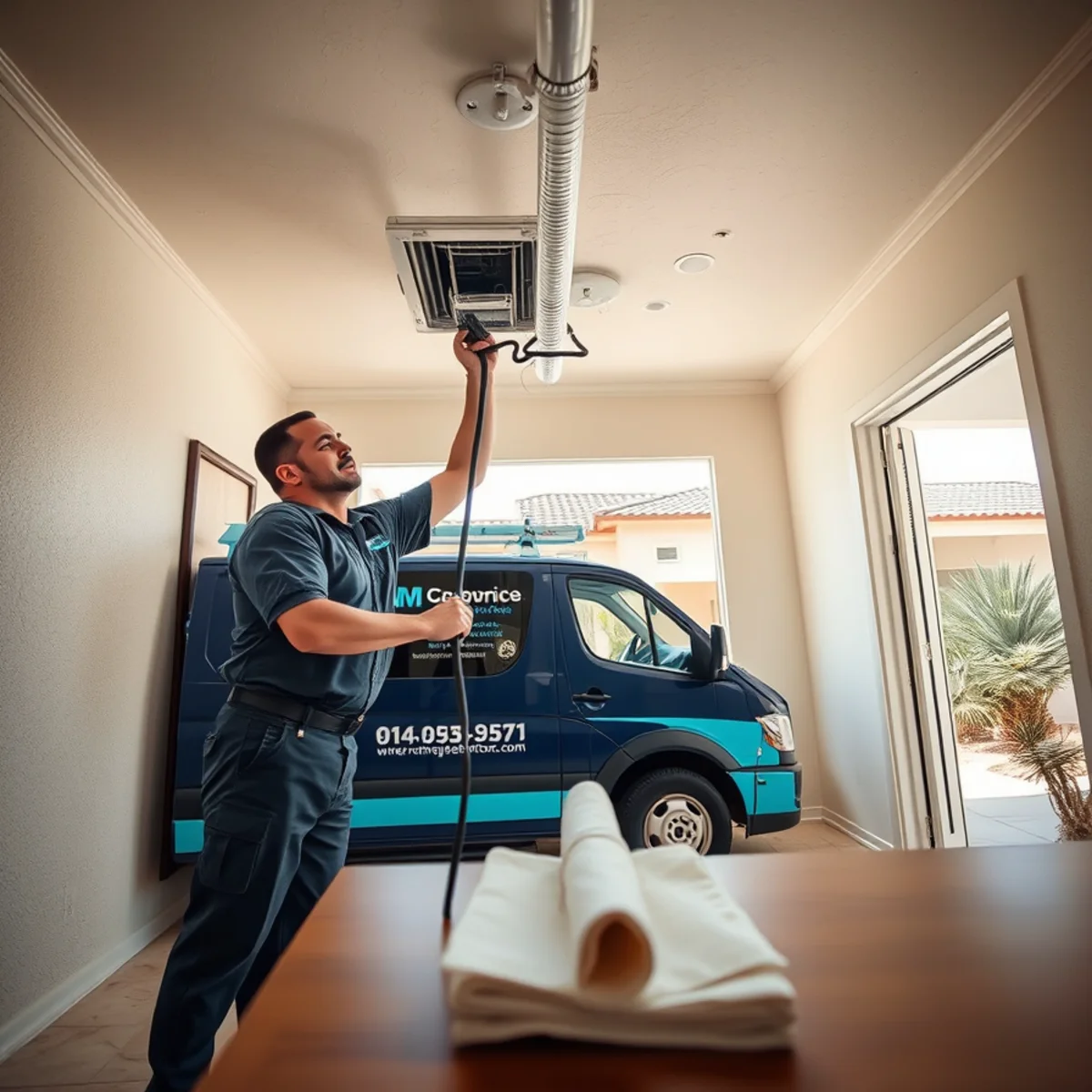
It is July, the AC has been running nonstop, and a brown ring is spreading across your ceiling — or water is dripping from a light fixture. The condensate drain line clogged, the pan filled, and it overflowed into the ceiling below your attic air handler. It will keep coming as long as the AC runs.
In a Tempe summer the air handler pulls gallons of water out of the air every day and sends it down a narrow PVC line. That line clogs with algae, dust, and slime, backs up, and pours into ceiling drywall and attic insulation. Sitting in a hot attic, that moisture can grow mold within 24 to 48 hours, and soaked insulation loses its R-value while it stays wet.
We stop it, dry it, and put the ceiling back — then we tell you exactly how to keep it from happening again. We answer 24/7 and aim to reach your home within 60 minutes, because a condensate overflow spreads for every hour the system keeps cycling.
Why AC Drain Overflows Hit Tempe Homes Every Summer
Cooling your home pulls humidity out of the air, and that water has to go somewhere. It drains through a small PVC condensate line that, over a long Tempe cooling season, grows algae and collects dust until it clogs. When it does, the primary pan fills and spills — most often June through September, and most often over a bedroom or hallway ceiling under an attic unit.
Drying the ceiling fixes today. A float switch fixes tomorrow. That inexpensive safety switch sits in the drain pan and shuts the system off the moment water backs up, so the next clog trips the AC instead of your ceiling. Pairing it with an annual line flush is the difference between a one-time repair and a stain that returns every summer. We restore the damage and point you to the right HVAC fix — we do not want to see you again next July.
On coverage, insurers generally treat a sudden accidental overflow differently from a slow drip that was ignored for months, which can be excluded as a maintenance issue. We document the source and the damage thoroughly so your claim is well supported. This is general information, not coverage advice — read your policy or ask your agent.