Skip to content
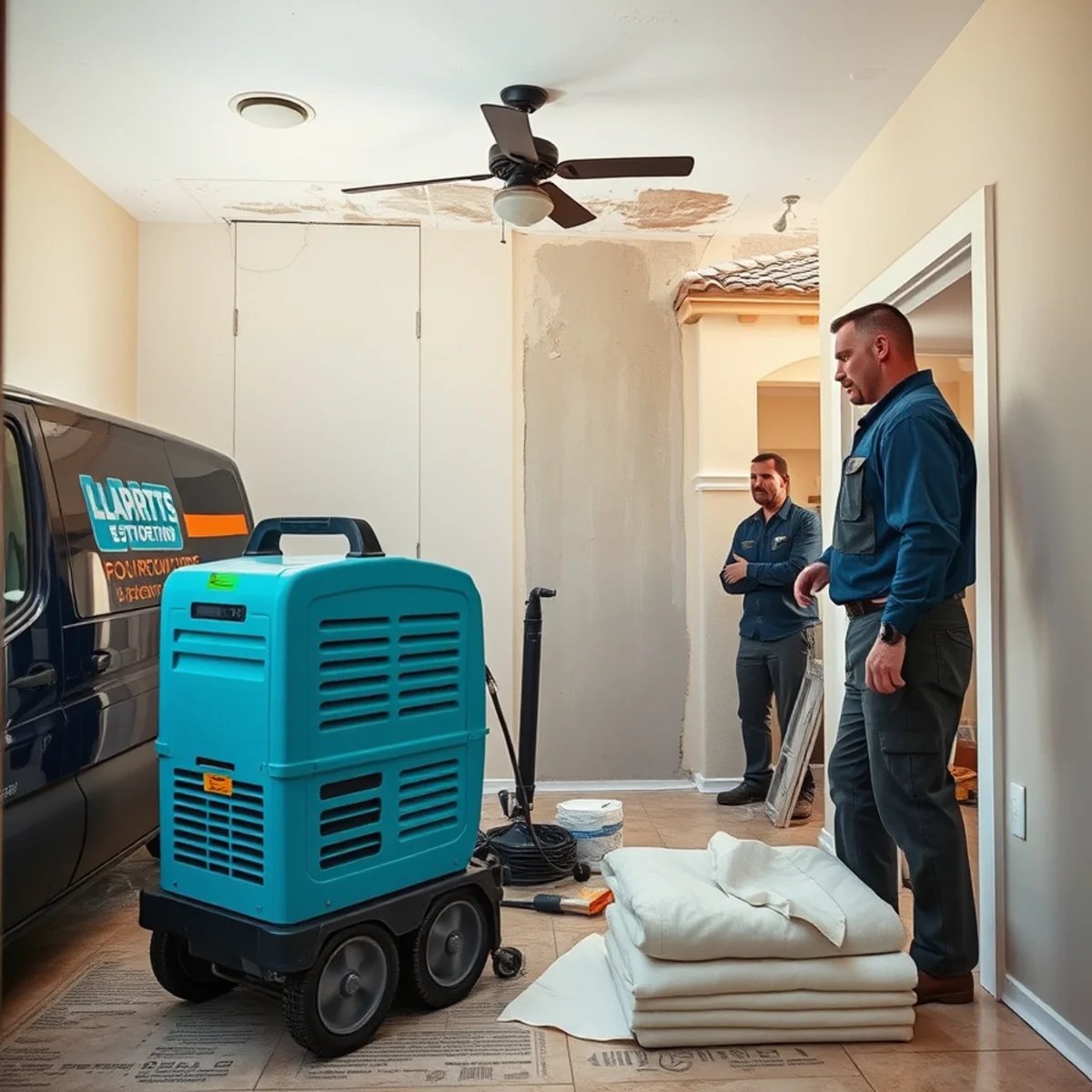
Mold Remediation crew working in a Tempe, AZ home

Mold Remediation After Water Damage in Tempe

When water damage turns into mold, chasing it with bleach only spreads the spores. We contain it, remove it at the source, and verify the air is clear — with local help you can reach 24/7 across Tempe.

  • 24/7 Emergency Response
  • Licensed & Insured
  • IICRC-Certified Crews
  • 4.9★ (127+ reviews)

It usually starts small — a fuzzy patch behind the baseboard, a dark spread on the closet wall, a musty smell that will not leave a back bedroom. Mold is the quiet aftermath of water damage, and by the time you can see or smell it, a colony has already established itself somewhere the moisture lingered. The spot on the surface is rarely the whole story.

Mold is a living thing, and it spreads by releasing spores into the air. Wipe a colony with bleach and you disturb it, sending fresh spores drifting to the next damp surface to start over. In Tempe, mold can appear within 24 to 48 hours of a leak, and our warm climate keeps it comfortable year-round. It feeds on the paper facing of drywall, on wood, on dust in ductwork — anywhere it finds moisture and something organic. Beyond damaging the house, mold can trigger allergies, asthma, and other respiratory problems, especially for kids and anyone sensitive. Ignored, it does not stay put; it grows.

Real remediation is not spraying and wiping — it is containing the mold, removing it properly, and fixing the moisture that fed it so it cannot return. We are a South Tempe crew based off I-10, and we work by the book: seal the area, filter the air, take out what is contaminated, and verify the result. The goal is not a cleaner-looking wall. The goal is a home where the mold is gone and has no damp reason to come back.

Mold Remediation in progress at a Tempe, AZ property

Signs You Have a Mold Problem

  • Visible mold — black, green, or white patches on walls, ceilings, baseboards, or inside cabinets.
  • A persistent musty or earthy smell, even where you cannot see any growth.
  • Discoloration or staining that keeps returning after you clean it.
  • Allergy-like symptoms — congestion, itchy eyes, coughing — that ease when you leave the house.
  • A past leak or flood that was never fully dried, which matters even more in Tempe’s heat.
  • Warping, bubbling, or peeling on walls and trim where moisture has been trapped.
  • Growth appearing around AC vents, under sinks, or behind appliances where humidity collects.

What’s included

Every mold remediation job covers the full scope — one crew from the first pass to the last moisture reading.

  • Inspection that locates the mold and its moisture source
  • Poly-sheeting containment under negative air pressure
  • HEPA air scrubbers running throughout the work
  • Removal and bagging of mold-eaten porous materials
  • HEPA vacuuming and antimicrobial treatment of salvageable surfaces
  • Drying of the area to stop regrowth
  • Clearance verification of air and surfaces before rebuild

Active water emergency right now?

We answer 24/7 — a real person, not a machine.

(866) 688-0301

Our Process

Remediation follows a careful sequence designed to remove the mold without spreading it. Here is how we do it right.

  1. 1

    1. Inspection & Moisture Source

    We find the mold and, just as important, the moisture feeding it. There is no point removing mold while the leak or humidity that caused it is still active, so identifying and stopping the water source comes first.

  2. 2

    2. Containment

    We seal off the work area with poly sheeting and set up negative air pressure so spores cannot drift into clean parts of the home while we work. Containment is what separates real remediation from spreading the problem around.

  3. 3

    3. Air Filtration

    HEPA air scrubbers run throughout the job, pulling mold spores out of the air inside the containment. This keeps the spore count down and protects both the crew and the rest of the house.

  4. 4

    4. Removing Contaminated Materials

    Mold-eaten porous materials — drywall, insulation, carpet — are cut out, bagged inside the containment, and removed. Salvageable surfaces get HEPA vacuuming and antimicrobial treatment instead of being torn out.

  5. 5

    5. Cleaning & Drying

    We clean the remaining structure, apply treatment to discourage regrowth, and dry the area completely so no residual moisture is left to restart the cycle. Fixing the damp is the part that makes the removal stick.

  6. 6

    6. Clearance Verification

    When the work is done, we confirm the area is clean and dry, and independent clearance testing can verify the air and surfaces meet a safe standard before the space is rebuilt. Verification is what turns “looks clean” into “is clean.”

Fix the Moisture, or the Mold Comes Back

Every honest mold job starts with a plumbing or moisture problem, not a spray bottle. Mold is a symptom; trapped water is the disease. If a slab leak, a roof drip, an AC condensate line, or chronic humidity keeps feeding a wall, you can remove every visible colony and it returns in weeks. That is why finding and stopping the moisture source is step one, no shortcuts. Cut off the water supply and the mold loses its home.

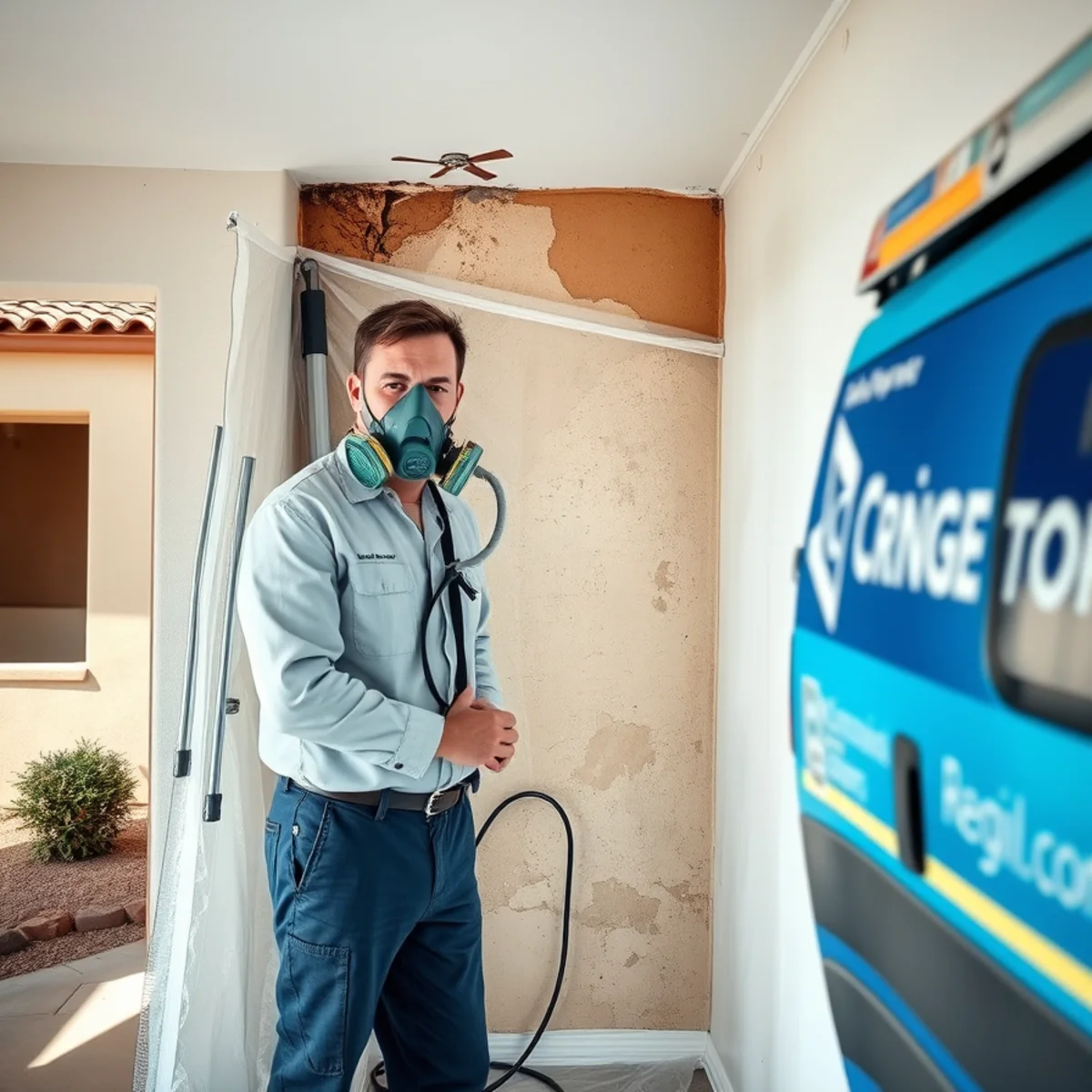
Containment is the piece homeowners underestimate. Mold reproduces through microscopic spores that ride the smallest air current, so any disturbance — cutting drywall, even wiping a wall — launches them looking for the next damp surface. Working inside sealed containment under negative air pressure keeps those spores from colonizing the rest of the house. It is the difference between remediating one room and accidentally seeding three. It is also why “just bleach it” tends to make a spreading problem worse.

There is a real line between what we clean and what we remove. Hard, non-porous surfaces can usually be HEPA-vacuumed, treated, and kept. Porous materials the mold has grown into — the paper on drywall, insulation, carpet pad — come out, because the growth reaches into the material itself. And because we also handle the water damage that causes mold, we can dry a home to a verified standard and stop the problem before it starts — always cheaper than remediation.

What Affects the Cost

We never quote a scary number over the phone. After a free on-site assessment you get a clear estimate. These are the factors that move the price:

  • The size of the affected area and how many rooms or cavities show growth.
  • Where the mold is — an open wall is simpler than growth inside HVAC, under flooring, or behind cabinetry.
  • How much porous material has to be removed and rebuilt versus cleaned and kept.
  • The containment and air-filtration setup the job requires to prevent spread.
  • Fixing the underlying moisture source, which is essential to a lasting result.
  • Whether independent clearance testing is included to verify the result before rebuild.

Trusted by South-Side Homeowners

Woke up to warm, wet tile in the hallway — a slab leak. I called around 5 a.m. and someone actually answered. A crew was extracting water within the hour and had dryers running before lunch. They found moisture two rooms over that I never would have caught. No mold, and the floor came back perfect.
Marcus Delgado
Warner Ranch, South Tempe · Slab Leak Cleanup
July 18, 2026
A monsoon microburst pushed water under our garage door and into the media room. These folks knew exactly how the runoff moves on our street. Fast, calm, and they photographed everything for our insurance. The adjuster said it was the cleanest documentation he had seen all season.
Priya Nair
Ahwatukee Foothills · Monsoon Flood Cleanup
July 2, 2026
Polybutylene line let go behind the laundry wall while we were at work. Water everywhere. They helped me find the shutoff over the phone, then handled extraction and drying and coordinated the plumber. One team, no runaround. Would call them again in a heartbeat.
Greg Halvorsen
Ocotillo, Chandler · Burst Pipe Cleanup
June 24, 2026
Dishwasher supply line failed overnight and flooded the kitchen and into the dining room. The response time was real — under an hour. They dried the hardwood in place with floor mats instead of tearing it out, which saved us thousands. Professional and honest the whole way.
Sandra Whitfield
The Lakes, Tempe · Water Extraction
June 9, 2026
A supply line broke in our shop off Auto Drive on a Saturday. They were here in about twenty minutes since they are right in the corridor. Dried it overnight with commercial equipment and we opened Monday like nothing happened. Minimal downtime, exactly what they promised.
Tony Marchetti
Kyrene Corridor, Tempe · Commercial Water Damage
May 28, 2026
Older ranch home, original copper in the slab finally sprung a pinhole leak. The crew was knowledgeable about homes our age and explained every moisture reading. Took a day longer than first estimated because the drywall held more water than expected, but they kept us informed and got it right.
Deborah Klein
Corona del Sol, South Tempe · Structural Drying
May 15, 2026

Why South Tempe Homeowners Call Us First

60-Minute Response

We answer 24/7 and dispatch immediately, with a 60-minute response target across the south-side Valley.

Truly Local

Our yard sits on Auto Drive in 85284 near the I-10 Broadway Curve — not a call center three states away.

Licensed & Insured

IICRC-certified crews following the S500 drying standard, with documentation your adjuster expects.

One Team, Start to Finish

Extraction, drying, and full repair under one roof — you never juggle multiple contractors.

Insurance-Claim-First

We document every reading and photo and work directly with your carrier to keep the claim moving.

Dry to a Verified Standard

We monitor moisture daily and prove the structure is dry — the real way to stop mold.

Mold Remediation FAQs

Can’t I just clean the mold myself with bleach?

For a small, surface spot on tile or glass, cleaning can be enough. But bleach does not fix the moisture underneath, and scrubbing a real colony spreads spores. If the area is larger than a square foot or two, or it keeps coming back, it needs containment and proper removal.

How fast does mold grow after a leak?

Fast — often within 24 to 48 hours in Tempe’s warm climate. That is why we push to dry water losses immediately, and if you catch a leak early, calling right away can keep mold from ever starting. We answer 24/7 for exactly that reason.

Do you find where the mold is coming from?

Always. Mold is fed by moisture, so we locate and address the water source — a leak, condensation, or humidity — as part of the job. Skip that step and the mold simply returns, which is why source-first is non-negotiable for us.

Will you prove the mold is gone when you finish?

We verify the area is clean and dry, and independent clearance testing can confirm the air and surfaces meet a safe standard before anything is rebuilt. If you need a fast assessment, we answer 24/7 and can typically reach Tempe homes within about 60 minutes.

Is it black mold, and how dangerous is that?

We treat all significant indoor mold the same way, whatever the color or species — contain it, remove it at the source, and verify the air is clear — because any large colony can affect breathing, especially for kids and anyone sensitive. Lab testing can identify the type, but it does not change how the growth has to be removed. If you are worried about a spreading patch, we answer 24/7.

Areas We Serve

Helpful Reading

60-Minute Emergency Response

Need Mold Remediation in Tempe?

When you call, a real person answers and a crew is dispatched immediately — with a 60-minute response target across South Tempe, Ahwatukee and Chandler.

  • 24/7 Emergency Response
  • Licensed & Insured
  • IICRC-Certified Crews
  • 4.9★ (127+ reviews)
Call 24/7Free Quote