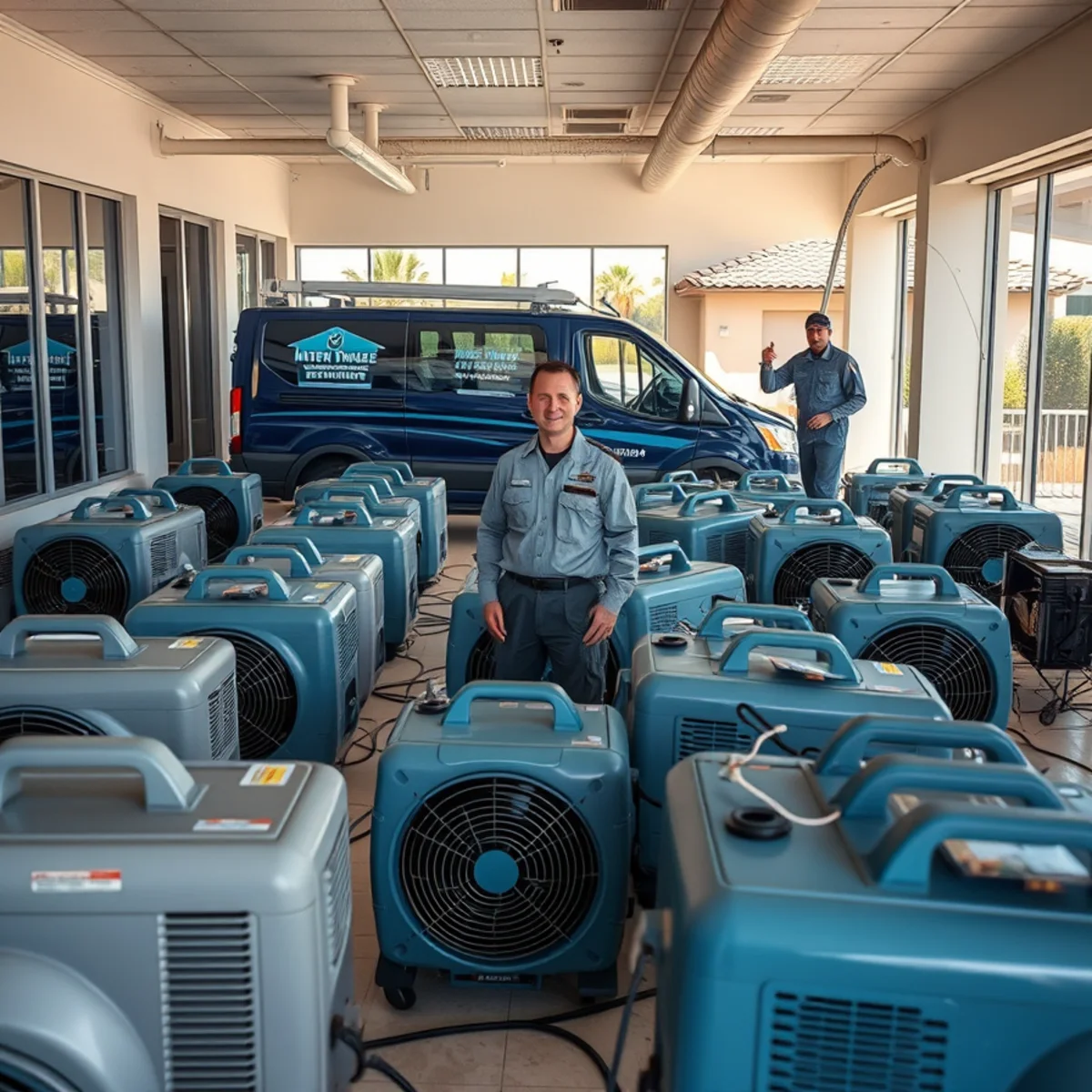
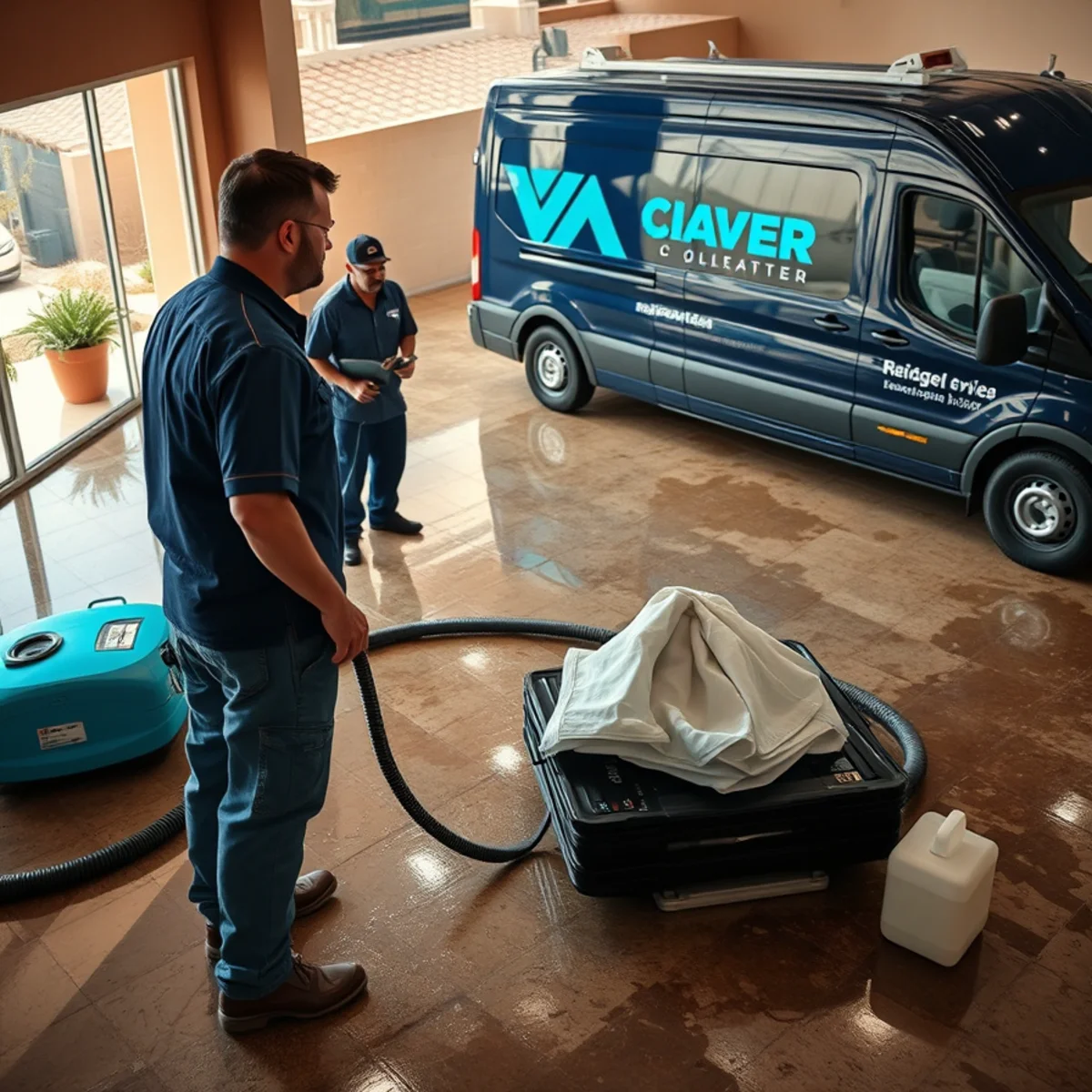
Water in a commercial building does not just damage drywall — it closes doors. Staff and tenants are displaced, revenue stops, and every hour the space sits wet is an hour you are paying for without earning. A burst riser, a monsoon roof leak, a failed water heater, or a sprinkler discharge can flood an office, a retail floor, or a warehouse in minutes.
Commercial losses are bigger by nature: wide-open square footage, concrete slabs, drop ceilings, and inventory, records, or IT equipment sitting right in the water’s path. One inch across a floor plate can run to roughly $25,000 in damage, and mold can take hold within 24 to 48 hours in our climate. Downtime compounds all of it — the longer the space is offline, the larger the real loss becomes.
We respond 24/7 and stage crews near the I-10 Broadway Curve for a 60-minute response target, then scale equipment and manpower to the size of the loss. We work after hours to keep you open where we can, and we give property managers one point of contact from the first call to the final walkthrough.
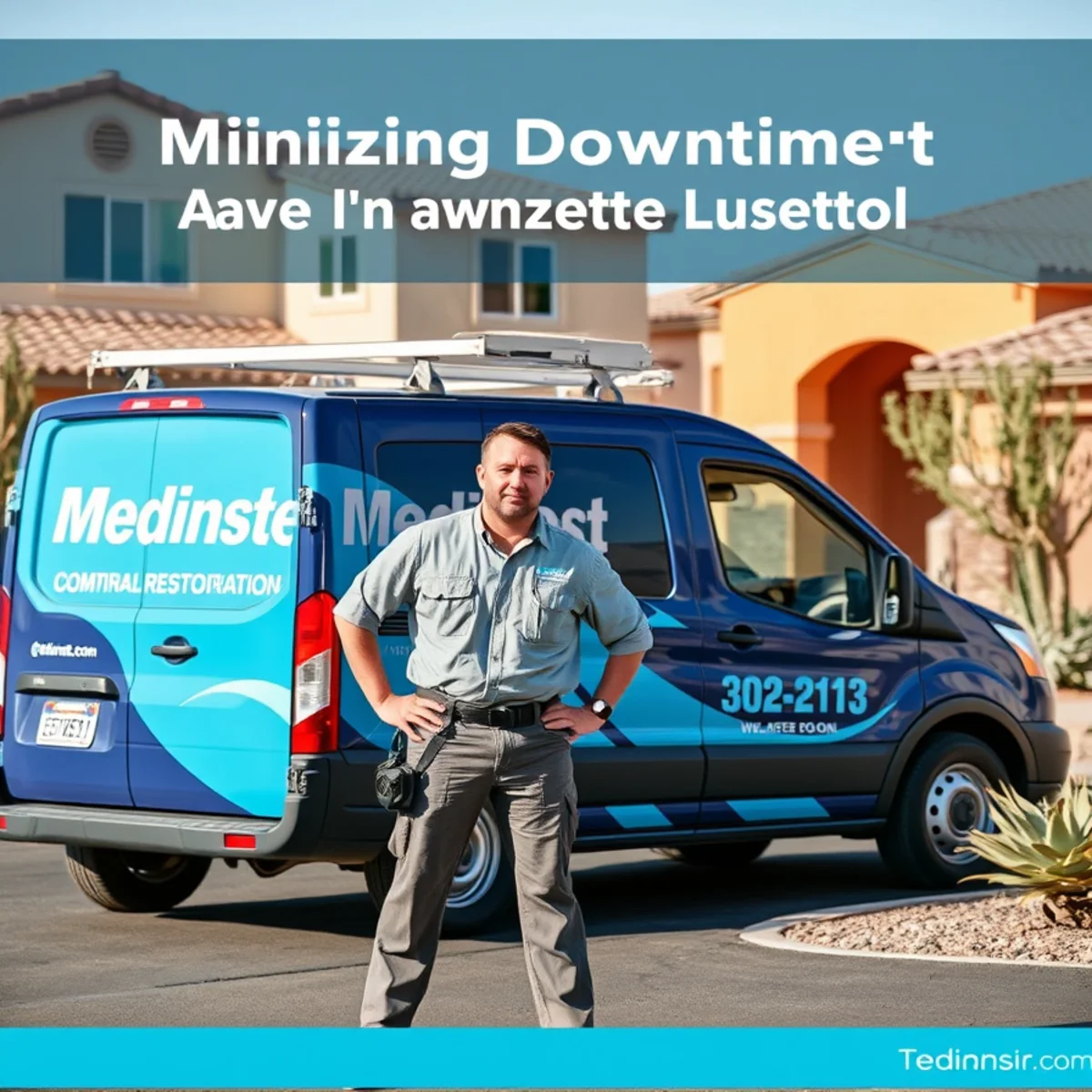
Minimizing Downtime for Tempe Businesses
Downtime is the number that hurts, so we build the job around it. That means after-hours, overnight, and weekend drying when the space cannot close during business hours, and phased work that keeps unaffected areas open while we dry the rest. Along the Kyrene corridor, in downtown Mill Avenue offices, and across multi-tenant buildings, we schedule around your operation instead of forcing your operation to stop.
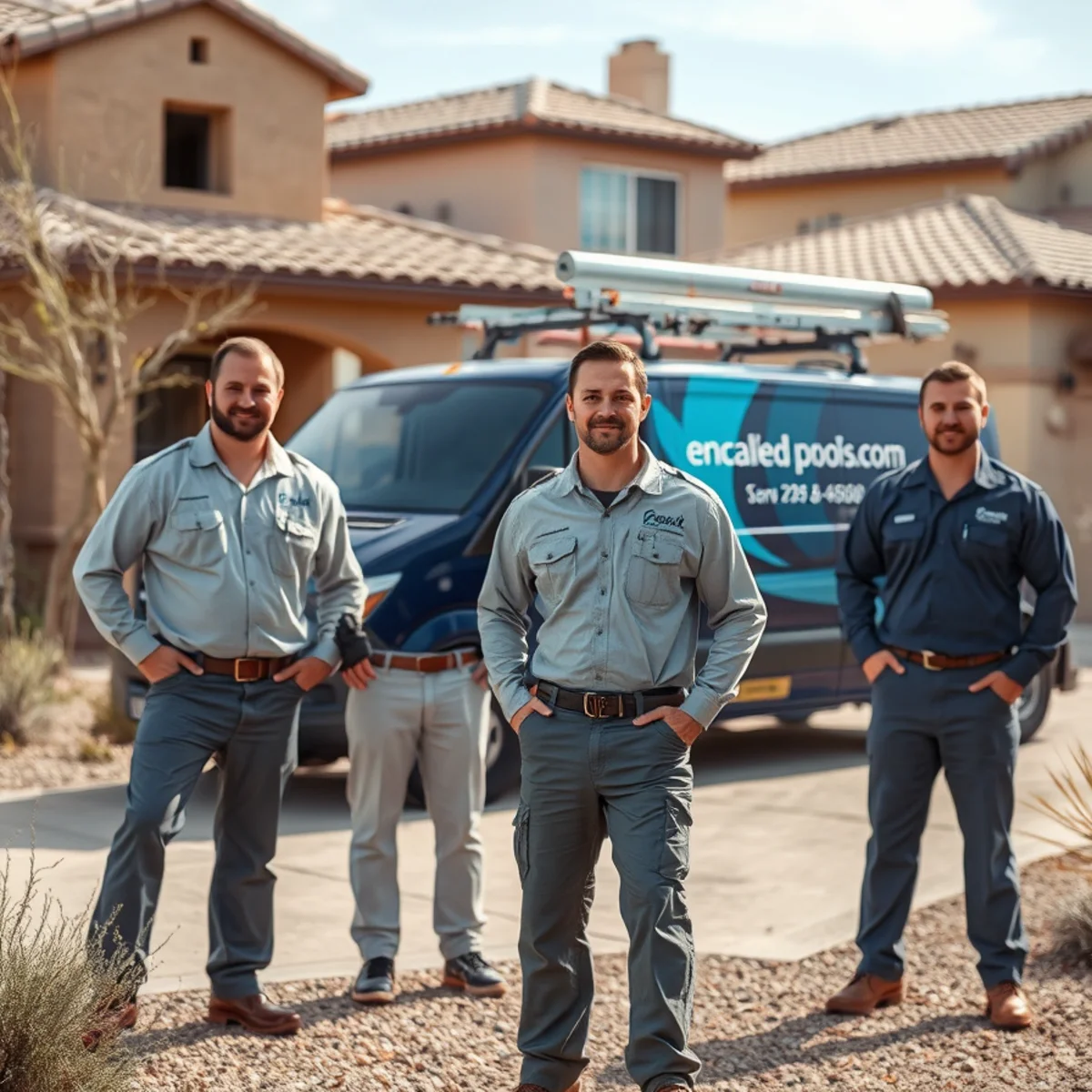
For property managers, we act as a single point of contact across the whole event. We coordinate with tenants, keep ownership updated, and produce the documentation a portfolio needs — one call handles the loss instead of you chasing separate extraction, drying, and rebuild vendors. You manage the property; we manage the water.
On the insurance side, commercial policies vary widely, and business-interruption coverage adds its own documentation requirements. We record the loss and our work in the detail carriers look for, which helps keep the claim moving. This is general information, not coverage advice — your policy and your broker govern the specifics.