Skip to content
Structural Drying & Dehumidification crew working in a Tempe, AZ home

Structural Drying & Dehumidification in Tempe

Extraction clears the water you can see; drying pulls out what is trapped in the walls and framing. Our IICRC-guided crews dry Tempe homes to a verified standard — and we answer 24/7 when a wet structure cannot wait.

  • 24/7 Emergency Response
  • Licensed & Insured
  • IICRC-Certified Crews
  • 4.9★ (127+ reviews)

The floors look dry. The towels come up damp but not soaked. It feels like the worst is over — and that is exactly when water damage does its quietest work. After the standing water is gone, moisture is still locked inside drywall, studs, subfloor, and insulation — invisible from the surface.

That trapped moisture is what feeds mold. In Tempe’s climate, colonies can begin within 24 to 48 hours, and they start in the damp, dark cavities you never look inside — behind baseboards, under cabinets, inside wall assemblies. Wood swells and warps. Drywall stays soft. Left to “air dry,” a home can sit above safe moisture levels for weeks while the damage compounds out of sight. Guessing that it is dry is how small losses turn into gut-and-rebuild jobs.

Structural drying is the science of getting that hidden moisture out fast and proving it is gone. We build a drying system around your specific loss — the right dehumidifiers and air movers in the right places — and we follow the IICRC S500 standard rather than a hunch. We are South Tempe locals off I-10, we monitor readings every day, and we do not pull the equipment until the structure hits a verified dry standard. Not almost dry. Dry.

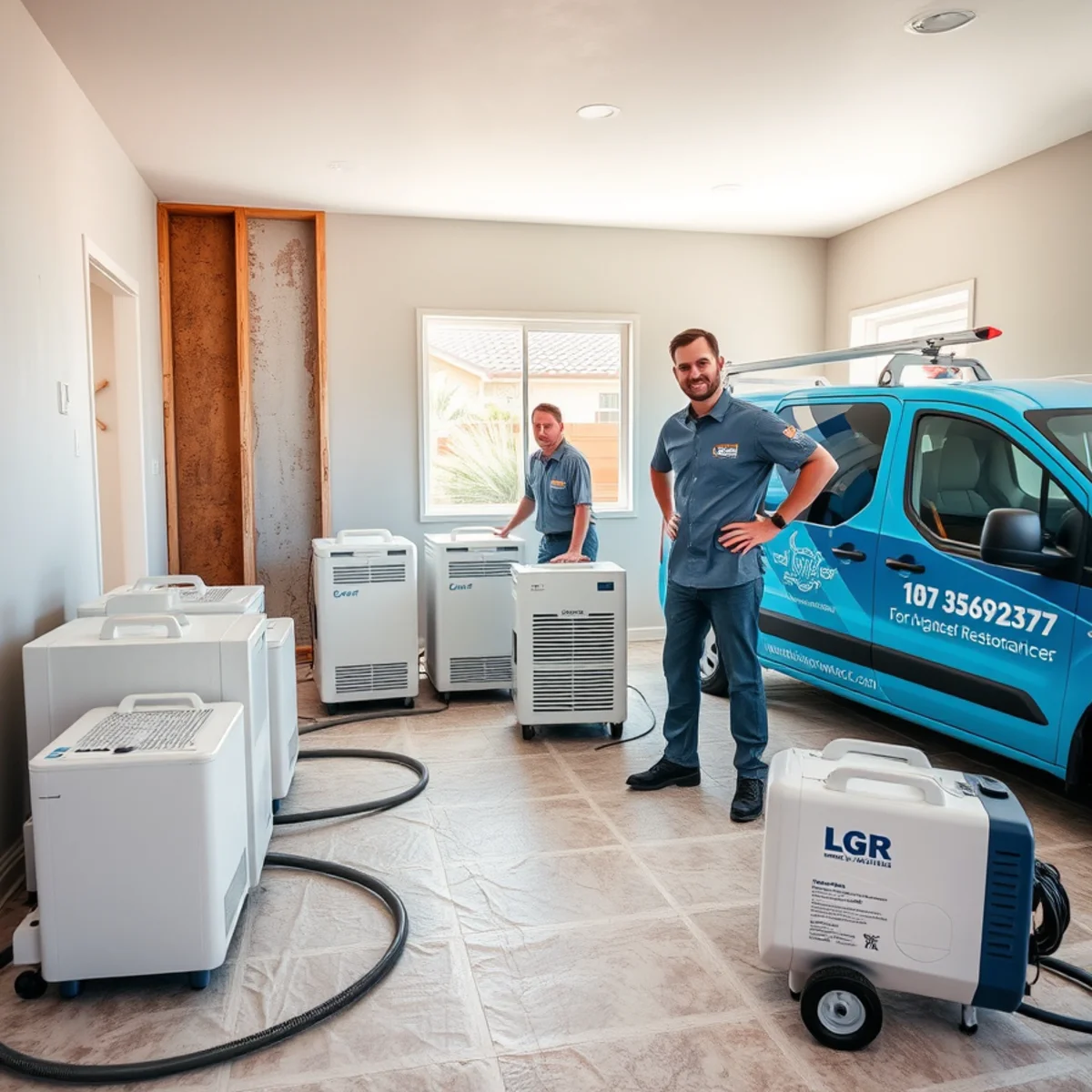
Structural Drying & Dehumidification in progress at a Tempe, AZ property

Signs the Structure Is Still Wet

  • A musty, damp smell that lingers after the visible water is gone — often the first clue moisture is still trapped.
  • Baseboards, drywall, or trim that feel soft, cool, or spongy days after a leak.
  • Cupped, crowned, or buckling wood flooring as boards absorb moisture from below.
  • Condensation on windows, or a room that feels clammy and humid compared with the rest of the house.
  • Paint that bubbles, tape seams that show, or nail heads that pop as wall materials swell and shift.
  • A water loss that was mopped up but never dried with equipment or checked with a meter.
  • Moisture readings that stay elevated on framing or subfloor when tested days later.

What’s included

Every structural drying & dehumidification job covers the full scope — one crew from the first pass to the last moisture reading.

  • Baseline moisture readings across every affected material
  • A drying chamber sized by the IICRC S500 method
  • LGR (low-grain refrigerant) dehumidifiers to pull vapor from the air
  • High-velocity air movers placed to lift surface moisture
  • Daily moisture, humidity, and temperature logs
  • Specialty cavity or injection drying for closed wall assemblies
  • Verified dry-standard sign-off confirmed with meters

Active water emergency right now?

We answer 24/7 — a real person, not a machine.

(866) 688-0301

Our Process

Drying is measured, not eyeballed. Every stage is driven by moisture numbers, and we do not stop until they land where the standard says they should.

  1. 1

    1. Moisture Mapping

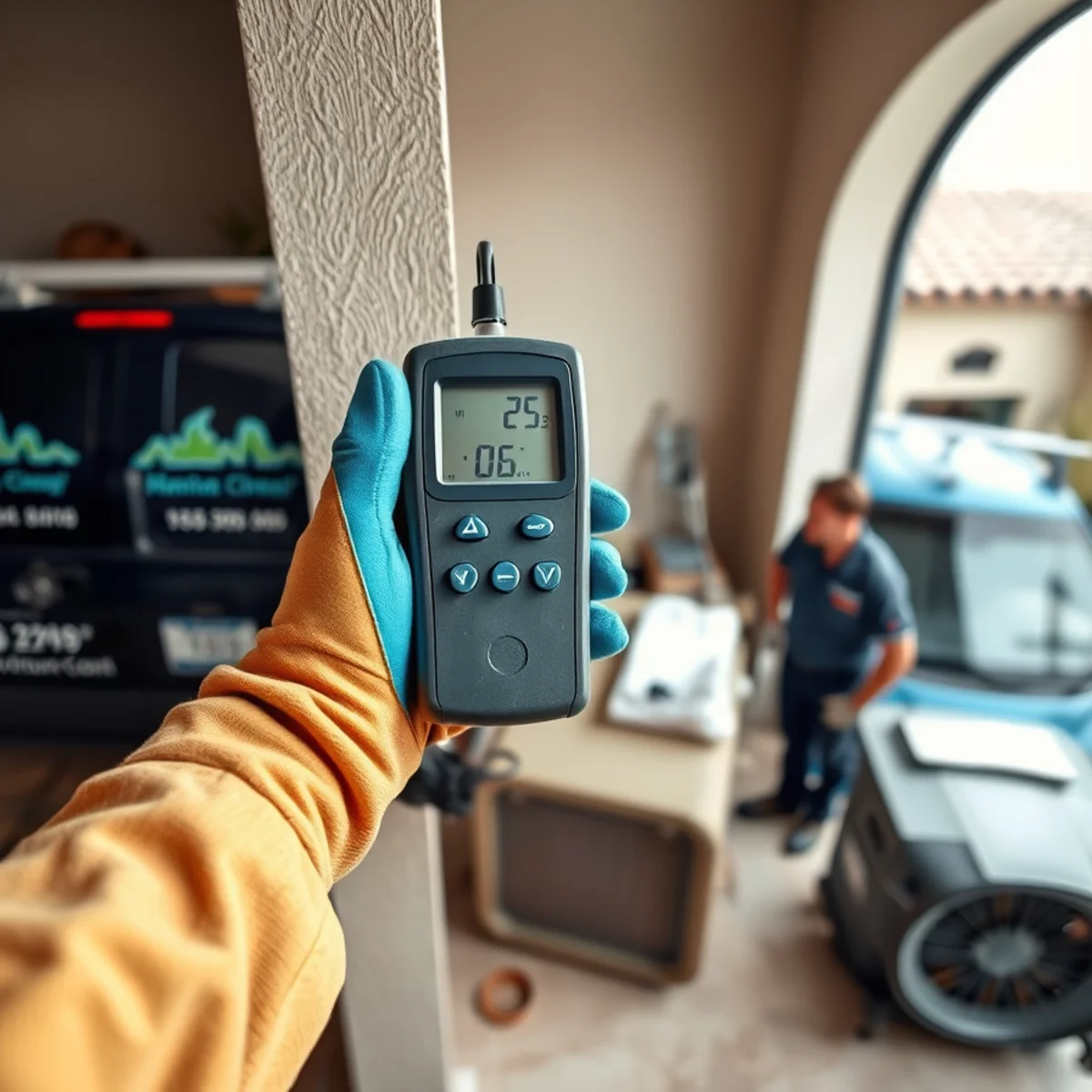
    We take baseline readings across every affected material and compare them to dry, unaffected areas in the same home. Thermal imaging shows where water traveled; the meters tell us how wet each surface really is. This map sets the drying goal for the whole job.

  2. 2

    2. Designing the Drying Chamber

    Using the IICRC S500 method, we calculate how much dehumidification and airflow the space needs for its size and materials. Too little equipment drags the job out; the right amount dries efficiently. We contain the area so the equipment works on the wet zone, not the whole house.

  3. 3

    3. Dehumidification with LGR Units

    Low-grain refrigerant dehumidifiers pull water vapor out of the air and lower the humidity so wet materials can release their moisture. As the air dries, evaporation from the structure speeds up. This is the engine of the whole process.

  4. 4

    4. Air Movers on the Surfaces

    High-velocity air movers sweep across walls, floors, and cavities to lift moisture off surfaces and into the air, where the dehumidifiers capture it. Placement and angle matter — we position them to keep the evaporation cycle moving.

  5. 5

    5. Daily Monitoring & Logs

    We return each day to record moisture, humidity, and temperature, and we adjust equipment as materials dry. These logs show the downward trend day over day and become part of your insurance documentation.

  6. 6

    6. Verified Dry Standard

    The job ends when materials reach the dry benchmark set by the unaffected areas — not when the calendar says so. We confirm with meters, document the final readings, and only then break down the equipment.

Why “Feels Dry” Isn’t Dry

Drying a building is applied physics. Warm, dry air passing over a wet surface pulls moisture into itself through evaporation; a dehumidifier then wrings that moisture out of the air so it can absorb more. Balance those two forces correctly and a structure dries in days instead of weeks. Get the balance wrong — too many air movers, not enough dehumidification — and you just push humid air around while nothing actually dries. Getting that balance right is what the S500 standard exists for.

Materials dry at very different speeds, which is the part homeowners rarely see. Surface water leaves quickly, but the moisture bound deep in framing, dense subfloor, and behind vapor barriers comes out slowly and stubbornly. Push heat and airflow too hard on the surface and you can drive that deep moisture right past the meter’s reach, only to have it re-emerge later. We read each material for what it is and dry the whole assembly, not just the face of it.

The verified dry standard is the whole reason to hire this out. Anyone can point a fan at a wall. Proving that studs, subfloor, and drywall have returned to a safe, documented moisture content — and that mold has no damp foothold left — is what protects the home and satisfies an adjuster. Our daily logs make that proof concrete, which is exactly what carriers want to see on a claim.

What Affects the Cost

We never quote a scary number over the phone. After a free on-site assessment you get a clear estimate. These are the factors that move the price:

  • The size of the wet area and the number of rooms that need equipment running.
  • Which materials got wet — drywall and carpet dry faster than dense hardwood, plaster, or concrete.
  • How saturated the structure was, since deeper moisture takes more days on the meters to reach the dry standard.
  • The number of dehumidifiers and air movers the space requires, and how long they run.
  • Whether closed cavities — wall interiors, under cabinets, crawl access — need specialty drying like injection systems.
  • Daily monitoring visits over the life of the drying, which vary with how quickly materials release moisture.

Trusted by South-Side Homeowners

Woke up to warm, wet tile in the hallway — a slab leak. I called around 5 a.m. and someone actually answered. A crew was extracting water within the hour and had dryers running before lunch. They found moisture two rooms over that I never would have caught. No mold, and the floor came back perfect.
Marcus Delgado
Warner Ranch, South Tempe · Slab Leak Cleanup
July 18, 2026
A monsoon microburst pushed water under our garage door and into the media room. These folks knew exactly how the runoff moves on our street. Fast, calm, and they photographed everything for our insurance. The adjuster said it was the cleanest documentation he had seen all season.
Priya Nair
Ahwatukee Foothills · Monsoon Flood Cleanup
July 2, 2026
Polybutylene line let go behind the laundry wall while we were at work. Water everywhere. They helped me find the shutoff over the phone, then handled extraction and drying and coordinated the plumber. One team, no runaround. Would call them again in a heartbeat.
Greg Halvorsen
Ocotillo, Chandler · Burst Pipe Cleanup
June 24, 2026
Dishwasher supply line failed overnight and flooded the kitchen and into the dining room. The response time was real — under an hour. They dried the hardwood in place with floor mats instead of tearing it out, which saved us thousands. Professional and honest the whole way.
Sandra Whitfield
The Lakes, Tempe · Water Extraction
June 9, 2026
A supply line broke in our shop off Auto Drive on a Saturday. They were here in about twenty minutes since they are right in the corridor. Dried it overnight with commercial equipment and we opened Monday like nothing happened. Minimal downtime, exactly what they promised.
Tony Marchetti
Kyrene Corridor, Tempe · Commercial Water Damage
May 28, 2026
Older ranch home, original copper in the slab finally sprung a pinhole leak. The crew was knowledgeable about homes our age and explained every moisture reading. Took a day longer than first estimated because the drywall held more water than expected, but they kept us informed and got it right.
Deborah Klein
Corona del Sol, South Tempe · Structural Drying
May 15, 2026

Why South Tempe Homeowners Call Us First

60-Minute Response

We answer 24/7 and dispatch immediately, with a 60-minute response target across the south-side Valley.

Truly Local

Our yard sits on Auto Drive in 85284 near the I-10 Broadway Curve — not a call center three states away.

Licensed & Insured

IICRC-certified crews following the S500 drying standard, with documentation your adjuster expects.

One Team, Start to Finish

Extraction, drying, and full repair under one roof — you never juggle multiple contractors.

Insurance-Claim-First

We document every reading and photo and work directly with your carrier to keep the claim moving.

Dry to a Verified Standard

We monitor moisture daily and prove the structure is dry — the real way to stop mold.

Structural Drying & Dehumidification FAQs

How long does structural drying take?

Most homes dry in about three to five days, but the structure sets the schedule, not the calendar. Dense materials and deeper saturation take longer. We check readings daily and pull the equipment only when the home hits its verified dry standard.

Do the air movers and dehumidifiers really need to run nonstop?

Yes. Drying is a continuous process — shutting the equipment off overnight lets humidity rebound and stalls progress. Leaving it running is what gets you to dry in days instead of dragging it out and risking mold.

Can’t I just open windows and run box fans?

In Tempe’s climate, outside air is often too humid during monsoon season or too hot to help, and box fans only stir surface air. Real drying needs dehumidification to actually remove the water vapor, plus meters to confirm the moisture is gone rather than hiding.

Do you offer drying on its own, after hours?

We do. Whether you need drying to follow an extraction or a second opinion on a loss someone else left half-dry, we answer 24/7 and can reach most Tempe homes within about 60 minutes to assess and set equipment.

Do you have to tear out my drywall to dry the walls?

Often no. When we reach a loss early, we can dry many walls in place by pulling the baseboards and drilling small, hidden weep holes to vent the cavity instead of cutting the drywall out. If a wall stayed wet for days or holds contaminated water, that section may still need to come out — we monitor daily to know which, and we answer 24/7 when a wet structure cannot wait.

Areas We Serve

Helpful Reading

60-Minute Emergency Response

Need Structural Drying & Dehumidification in Tempe?

When you call, a real person answers and a crew is dispatched immediately — with a 60-minute response target across South Tempe, Ahwatukee and Chandler.

  • 24/7 Emergency Response
  • Licensed & Insured
  • IICRC-Certified Crews
  • 4.9★ (127+ reviews)
Call 24/7Free Quote