Good news in a hard moment: fire is one of the perils a standard homeowners policy is built to cover. In Arizona, that generally means your policy pays to repair the structure, replace your belongings, and cover the cost of living somewhere else while your home is unlivable. Smoke and soot damage is usually covered too, even in rooms the flames never reached — and so is the water the fire department used to put the fire out.
Fire is what insurers call a named peril. It is written into the core of the policy, not tucked into an optional add-on the way flood or sewer backup is. That is why fire claims, for all their stress, tend to be more straightforward on the coverage question than many water claims are.
This guide explains what a fire claim generally covers in Arizona, where the common limits and exclusions sit, how the firefighting water fits in, and how good documentation — including a restoration company’s records — helps you work with the adjuster. One note first, repeated at the end: this is general information, not legal or coverage advice. Your policy decides.
Key Takeaways
- Fire is a core named peril, so Arizona homeowners policies generally cover the structure, your belongings, and the cost of living elsewhere.
- Smoke and soot damage is usually covered even in rooms that never caught fire.
- Water used to fight the fire is generally covered — important because it grows mold within 24 to 48 hours in Arizona heat.
- Common limits and exclusions include arson by the owner, vacant-home clauses, mold caps, and item sub-limits — the how much, not the whether.
- Thorough documentation, including a restoration company’s loss records, strengthens your claim with the adjuster.
Fire is a core named peril
Three parts of a homeowners policy respond to a fire, and together they are meant to put you back roughly where you were before it. Fire is so fundamental that it is covered even on the most basic policy forms sold in Arizona.
Knowing which coverage does what helps you track the claim as it moves. Here is how the three parts generally break down:
- Dwelling coverage repairs or rebuilds the structure — walls, roof, floors, and built-ins — up to your policy limit.
- Personal property coverage pays for belongings damaged or destroyed, at either actual cash value or replacement cost depending on your policy.
- Loss of use, or additional living expenses, covers the extra cost of living elsewhere — lodging and meals above normal — while the home is uninhabitable.
Smoke and soot damage is generally covered too
You do not need flames in a room for the damage there to count. Smoke travels through the whole house and into the HVAC, and soot settles on surfaces and inside electronics far from where anything burned. Standard policies generally treat smoke and soot damage from a covered fire as part of the same claim — odor removal, cleaning or replacing soot-coated contents, and sometimes duct cleaning.
This reaches further than many homeowners expect. Smoke that drifts into your home from a nearby wildfire or a neighbor’s house fire can also be a covered smoke loss under many policies. The trigger is the damage to your property, not whether your own structure caught fire.
Active water emergency right now?
We answer 24/7 — a real person, not a machine.
The water used to fight the fire is usually covered
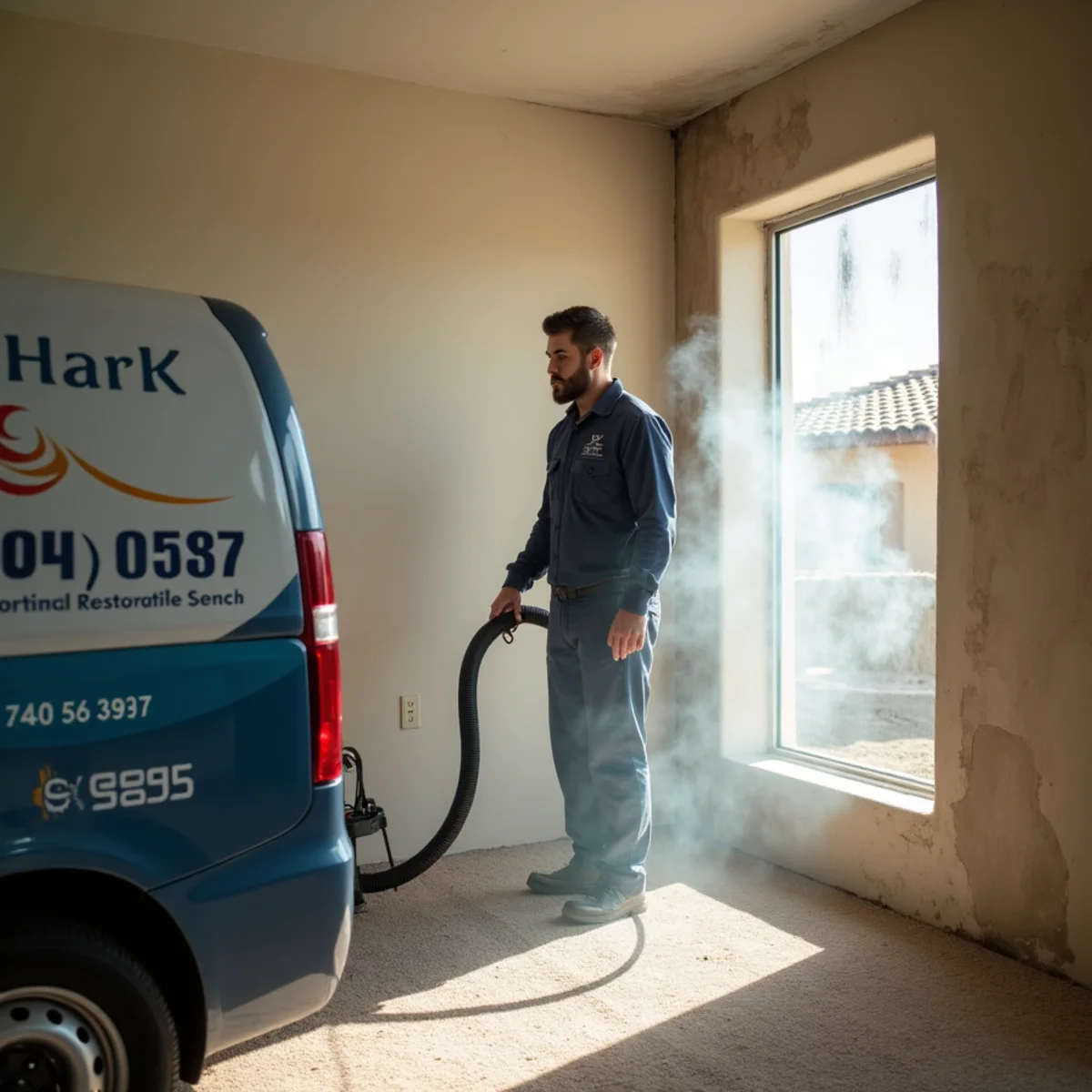
Putting out a fire soaks the home. The water left in the drywall, carpet, and framing causes real damage of its own, and because that damage results directly from a covered fire, it is generally covered as part of the same claim rather than excluded.
That detail matters more in Arizona than almost anywhere. Firefighting water sitting in a hot structure starts growing mold within 24 to 48 hours. Drying the building quickly is part of resolving the fire claim, not a separate afterthought. Mold that follows directly from the covered firefighting water is more likely to be covered than mold from an unrelated slow leak, though mold limits still apply, as the next section explains.
Common limits and exclusions
The hard part of a fire claim is rarely whether fire is covered. It is how much the policy will actually pay. These are the places that question gets complicated:
None of these change the basic fact that fire is covered. They shape the size of the check, which is exactly why documentation and knowing your own policy limits matter so much.
- Arson or an intentional fire by the policyholder is never covered, and filing on one is fraud.
- Vacant or unoccupied home clauses can cut coverage if the home sat empty beyond a set period, often 30 to 60 days — important for landlords and empty rentals.
- High-value items like jewelry, art, and collectibles often have sub-limits unless separately scheduled, and an old dwelling limit may not cover today’s rebuild costs.
- Mold remediation is usually capped at a set dollar figure, even when the mold follows covered firefighting water.
- Actual cash value coverage pays depreciated value for contents; replacement-cost coverage pays to replace them — know which you carry.
Documenting the loss and working with the adjuster
An adjuster works from evidence, so the stronger and earlier your record, the fewer disputes you face later. Build your own account of the loss rather than relying only on the carrier’s. Capture it before any cleanup starts:
Be straight about value. List what you can support with photos and reasonable estimates, and flag anything of unusual worth. You do not need to guess at exact dollar figures you cannot back up.
- Photograph and video everything before cleanup — the structure, smoke-stained rooms, soot-covered contents, and water damage.
- Build a contents inventory with the item, its rough age, and a reasonable value, with photos attached.
- Keep all receipts for lodging, meals, and emergency purchases for your loss-of-use claim.
- Do not discard damaged items until they are documented and the adjuster agrees.
Why a restoration company’s documentation helps your claim
A professional fire-damage restoration company does more than clean. It produces a detailed scope of the loss — room-by-room damage, moisture readings on the firefighting water, photographs, and a line-item record of what is restorable versus a total loss. That record speaks the adjuster’s language and often becomes part of the claim file.
It helps on every front of a fire claim at once. It supports the water-damage portion and the mold clock, it separates smoke-damaged-but-cleanable items from destroyed ones so you are paid correctly, and it documents the emergency board-up and mitigation you are required to perform under the policy.
South Tempe Damage Restoration handles fire and water under one roof — emergency board-up and tarping, soot and smoke removal, odor treatment, structural drying to the IICRC S500 standard, and the rebuild — and documents each step for your adjuster. We answer 24/7 with a 60-minute response target across Tempe, Ahwatukee, Chandler, Mesa, Gilbert, and Scottsdale, and a free on-site assessment gets the file started. To repeat the one caution: this is general information, not legal or coverage advice, and your policy decides.
Frequently Asked Questions
Does homeowners insurance cover smoke damage?
Generally yes, when the smoke comes from a covered fire. You do not need flames in a room for the smoke and soot damage there to be covered, since smoke spreads through the whole house and the HVAC. Many policies also cover smoke that drifts in from a nearby wildfire or a neighbor’s fire. This is general information, not coverage advice; your policy decides.
Does insurance cover fire damage restoration?
Usually, yes. The cost to clean, deodorize, dry, and rebuild after a covered fire is part of the claim, within your policy limits. That includes soot and smoke removal and drying the firefighting water. Your deductible applies, and some items carry sub-limits. A restoration company’s documented scope helps the adjuster approve the right work. This is general information; your policy governs.
Are my belongings covered after a fire?
Yes, under your personal property coverage, up to its limit. You are paid either the depreciated actual-cash-value amount or the full replacement cost, depending on your policy. High-value items like jewelry or art often have category caps unless you scheduled them separately. Inventory everything with photos and reasonable values. This is general information, not coverage advice.
Does insurance cover water damage from putting out the fire?
Generally yes. Water damage that results directly from fighting a covered fire is treated as part of the fire loss, not excluded. In Arizona that water needs to be dried fast, because it can start mold within 24 to 48 hours in the heat. This is general information; your policy decides.