The quickest way to keep these two straight: mitigation is the emergency work that stops a water loss from getting worse, and restoration is the rebuilding work that puts your home back the way it was. Mitigation happens first and fast — extraction, removing ruined materials, and drying the structure. Restoration follows — drywall, flooring, paint, and finish work. One protects what you have left; the other restores what you lost.
Homeowners mix these up constantly, and it matters more than it sounds. Your insurance treats them as separate parts of the claim. The timing is different. And knowing which phase you are in tells you what should be happening in your home on any given day.
Here is what each phase actually involves, the order they run in, why mitigation cannot wait, and why having one crew handle both spares you the headache of a handoff.
Key Takeaways
- Mitigation stops the loss from getting worse; restoration rebuilds the home afterward.
- Mitigation is the urgent emergency phase; restoration is the planned rebuild that follows.
- You cannot rebuild on a wet structure — drying to a verified standard comes first.
- Most policies expect prompt mitigation to prevent further damage; acting fast protects your claim.
- One crew handling both avoids the costly handoff between mitigation and reconstruction.
Quick definitions
Strip away the industry jargon and it comes down to two jobs with two goals.
- Mitigation — stop the loss and prevent further damage. Water extraction, removing unsalvageable materials, structural drying, and stabilizing the home.
- Restoration — return the home to its pre-loss condition. Repairs, new drywall, flooring, cabinetry, paint, and any rebuild the damage required.
What happens during mitigation
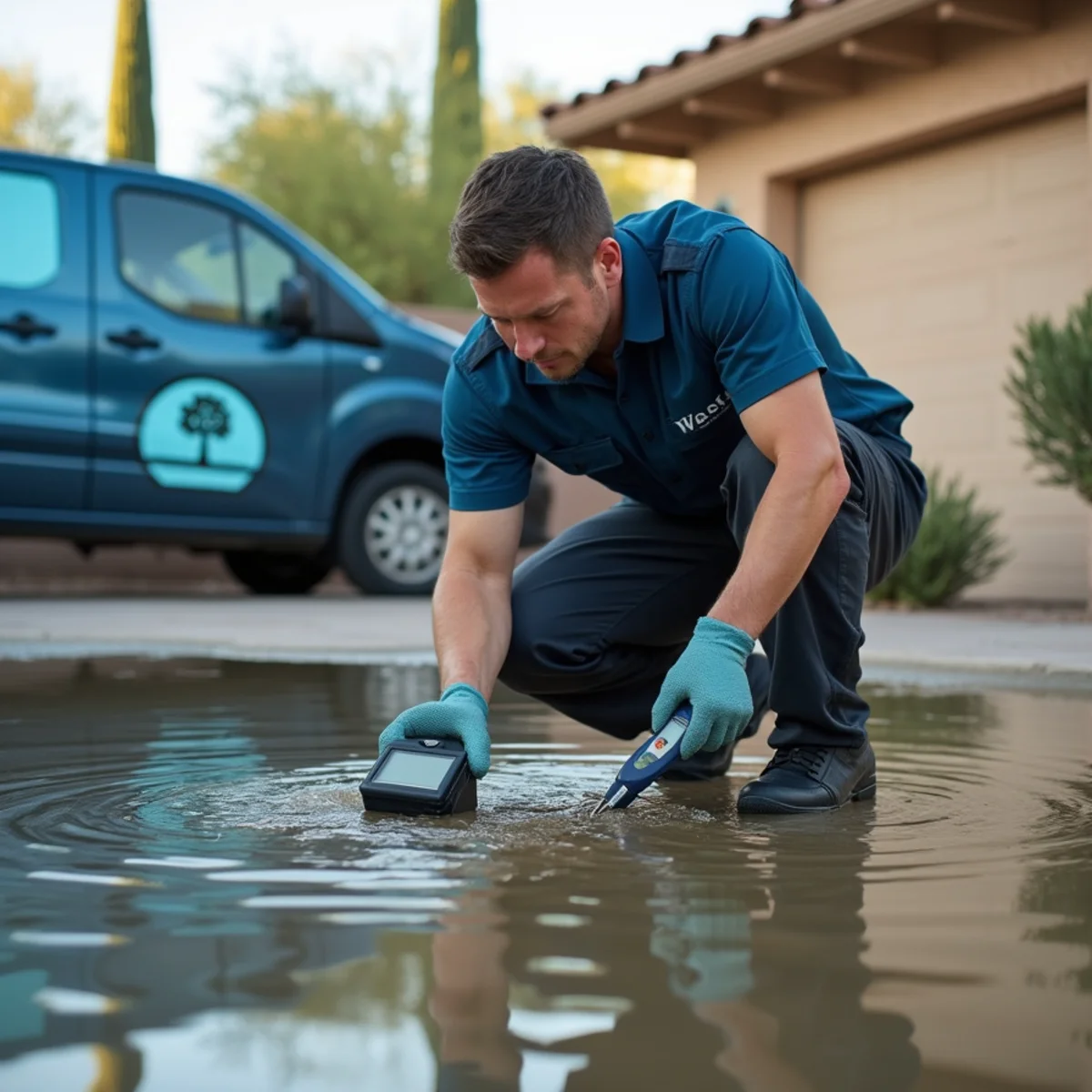
Mitigation is the emergency phase, and it starts the moment a crew arrives. The goal is simple: stop the water from doing any more harm than it already has.
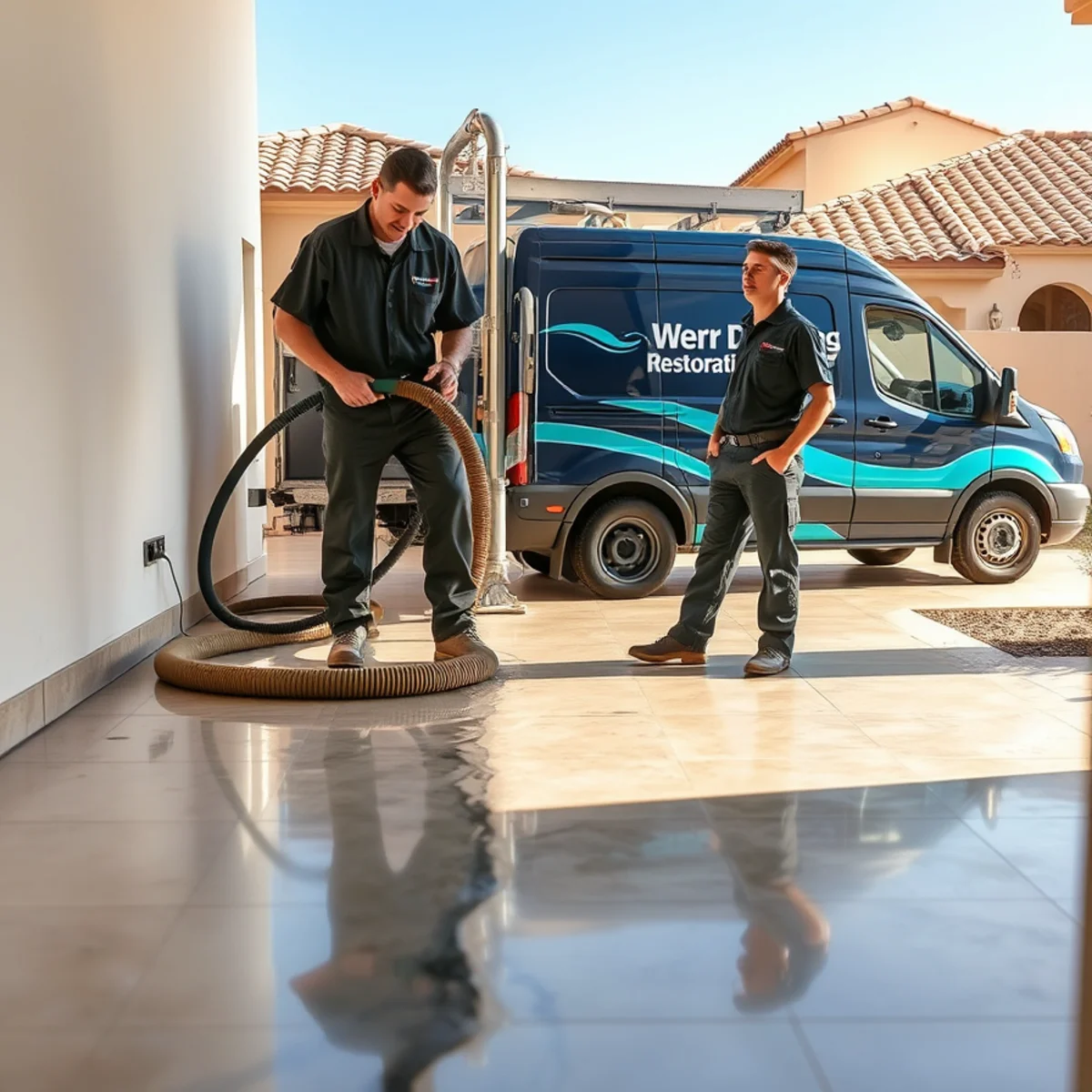
On a typical call that means extracting standing water, pulling up saturated carpet and pad, removing drywall or insulation that cannot be saved, and setting commercial air movers and dehumidifiers to dry the structure. If the water was contaminated, mitigation also includes containment and disinfection under the IICRC S500 standard. We measure moisture daily and keep drying until the framing and subfloor hit a verified dry target.
- Emergency water extraction.
- Removing unsalvageable carpet, pad, drywall, and insulation.
- Structural drying with commercial equipment, monitored to a dry standard.
- Containment and disinfection when the water is gray or black.
- Stabilizing the home so the damage stops spreading.
Active water emergency right now?
We answer 24/7 — a real person, not a machine.
What happens during restoration
Once the structure is dry and stable, restoration rebuilds. This is the phase that makes your home look like the loss never happened.
Depending on what the water ruined, restoration can be as light as patching drywall and repainting, or as involved as replacing flooring, rebuilding a cabinet run, and refinishing a whole room. Because the home is already dry, this work can be scheduled and done methodically rather than in emergency mode.
- Drywall replacement and texturing.
- Flooring — carpet, tile, or hardwood.
- Cabinetry and trim repair or replacement.
- Paint and finish work.
- Any structural rebuild the damage required.
The order they happen in — and why mitigation is urgent
The sequence is not optional. Mitigation always comes first, because you cannot rebuild on a wet, unstable structure. Hang new drywall over damp framing and you seal moisture inside a wall, which is a direct invitation to mold in Arizona’s heat.
Mitigation is also time-sensitive in a way restoration is not. Mold can start within 24 to 48 hours of water sitting. Every hour that passes before extraction and drying begins means more saturated material, a higher chance of mold, and a bigger repair bill. Restoration, by contrast, can wait a reasonable amount of time — the home is already dry and protected. That is why the emergency number matters for mitigation and why restoration can be planned.
Why your insurer expects you to mitigate promptly
Most homeowners policies include what is often called a duty to mitigate — a responsibility to take reasonable steps to prevent further damage after a loss. In plain terms, if a pipe bursts, your insurer expects you to stop the water and get drying started quickly rather than letting the damage spread for days.
Acting fast protects your claim as well as your home. Prompt, documented mitigation by an IICRC-certified crew shows the insurer you did your part, and it keeps the covered loss smaller. Delay can give an adjuster reason to question part of a claim. This is general information, not coverage advice — your policy and your adjuster decide what is covered — but prompt mitigation almost never works against you.
Who does the work — and why one crew helps
In many markets, a mitigation company dries your home and then hands you off to a separate contractor for the rebuild. That handoff is where projects stall — scheduling gaps, disagreements about scope, and a home that sits half-finished.
We handle both. The same crew that answers the emergency call, extracts the water, and dries your home also does the reconstruction. That means one point of contact, one plan, and no waiting for a second company to fit you in. From the first hour through the final coat of paint, it is one team. Call (866) 688-0301 any time, day or night.
Frequently Asked Questions
What is the difference between water mitigation and restoration?
Mitigation is the emergency work that stops a loss from getting worse — extraction, removing ruined materials, and drying the structure. Restoration is the rebuilding that follows — drywall, flooring, paint, and finish work. Mitigation protects what remains; restoration puts the home back together.
Does water mitigation come before restoration?
Always. The structure has to be fully dry and stable before any rebuild starts. Hanging new drywall or laying flooring over damp framing traps moisture inside, which leads straight to mold in Arizona’s climate. Mitigation first, verified drying, then restoration.
Is water mitigation covered by insurance?
For a sudden, accidental loss like a burst pipe, mitigation is typically part of a covered claim, and insurers generally expect you to mitigate promptly to prevent further damage. This is general information, not coverage advice — your specific policy and adjuster decide what is covered.
Can one company do both mitigation and restoration?
Yes, and it is usually smoother when they do. We handle the emergency mitigation and the full rebuild with one crew, so there is no handoff to a separate contractor, no scheduling gap, and one point of contact from the first call through the final repair.
How quickly should water mitigation start?
As fast as possible. Mold can begin within 24 to 48 hours, and Arizona’s heat pushes that to the quick end. We answer 24/7 and target a 60-minute response across Tempe because starting extraction and drying early keeps both the damage and the final bill smaller.