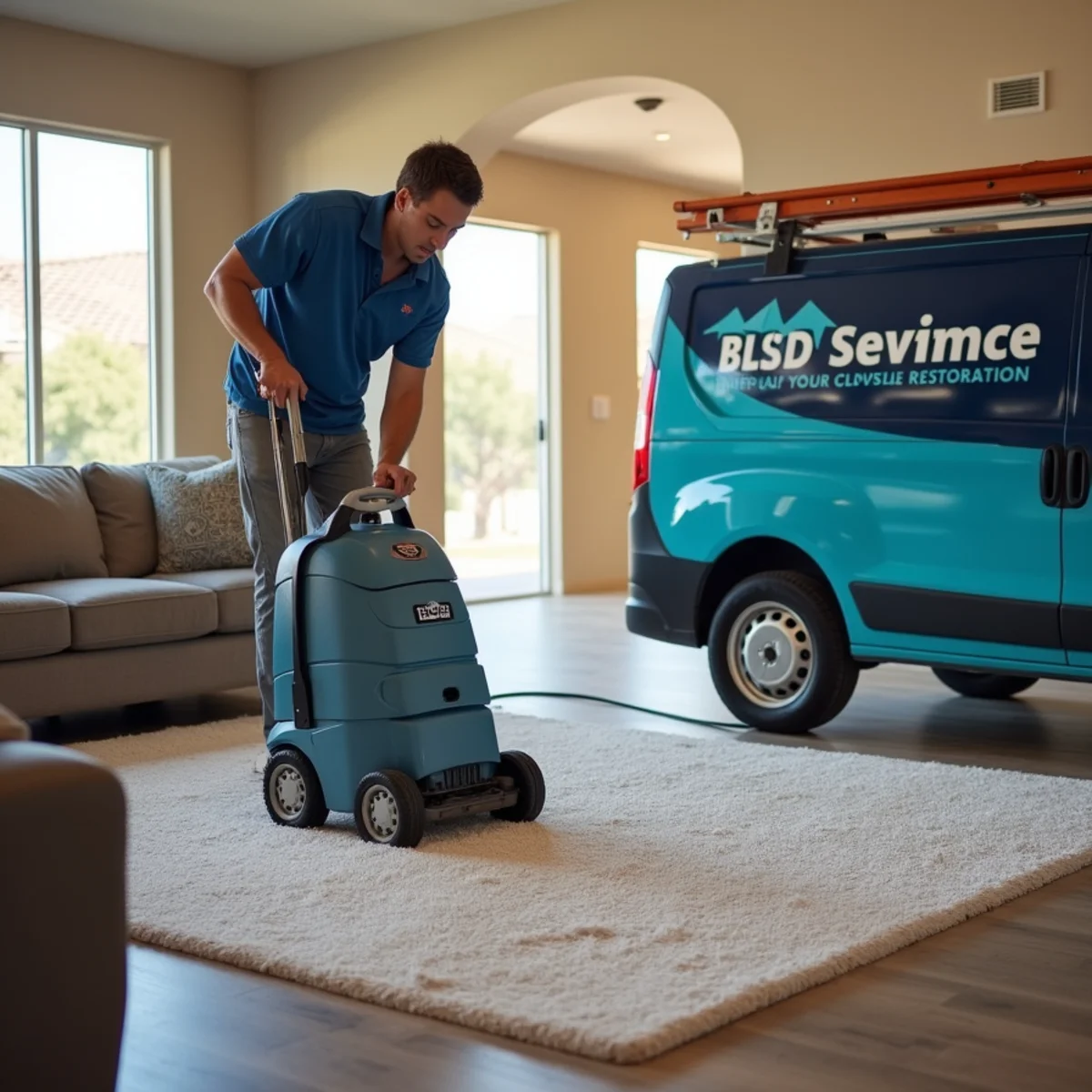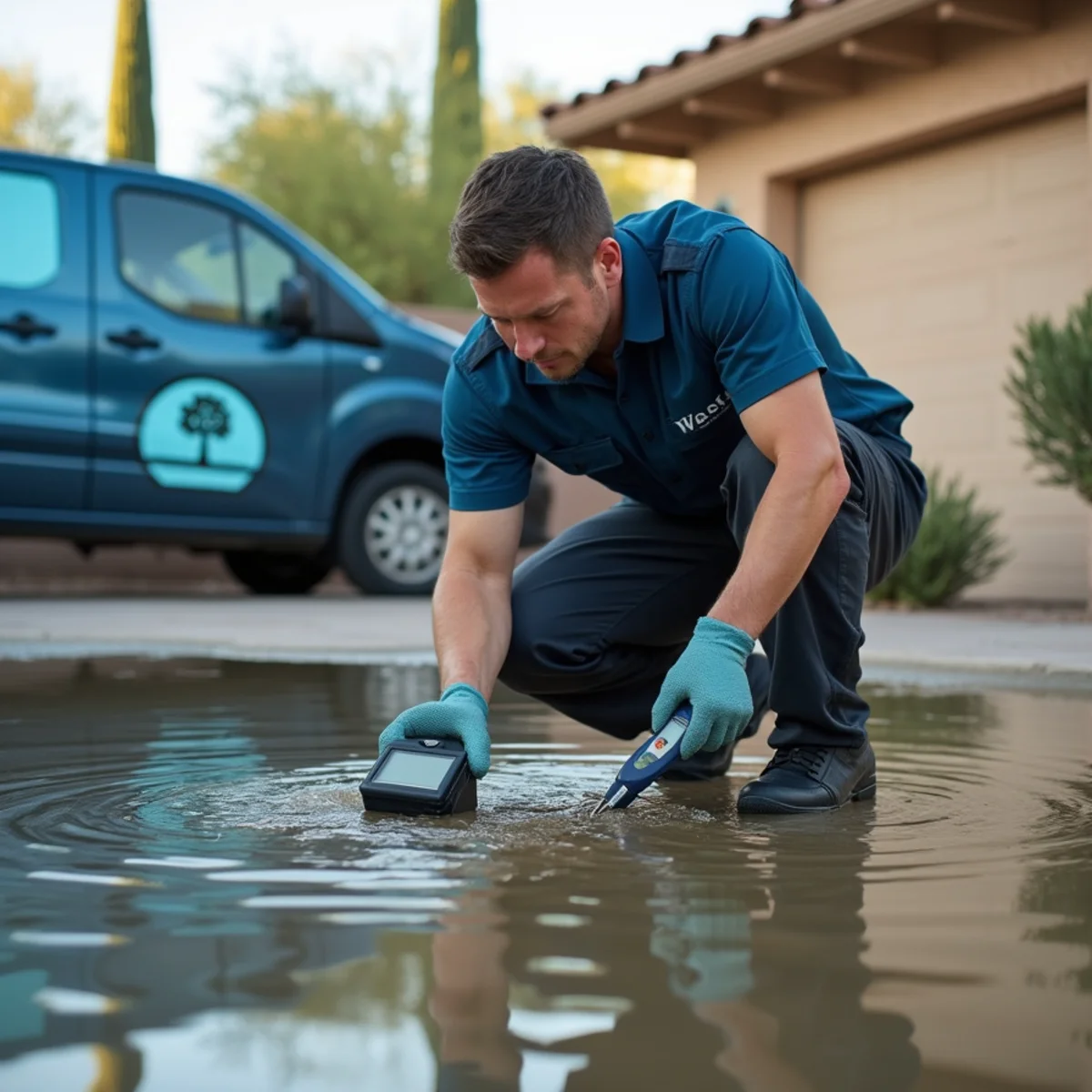
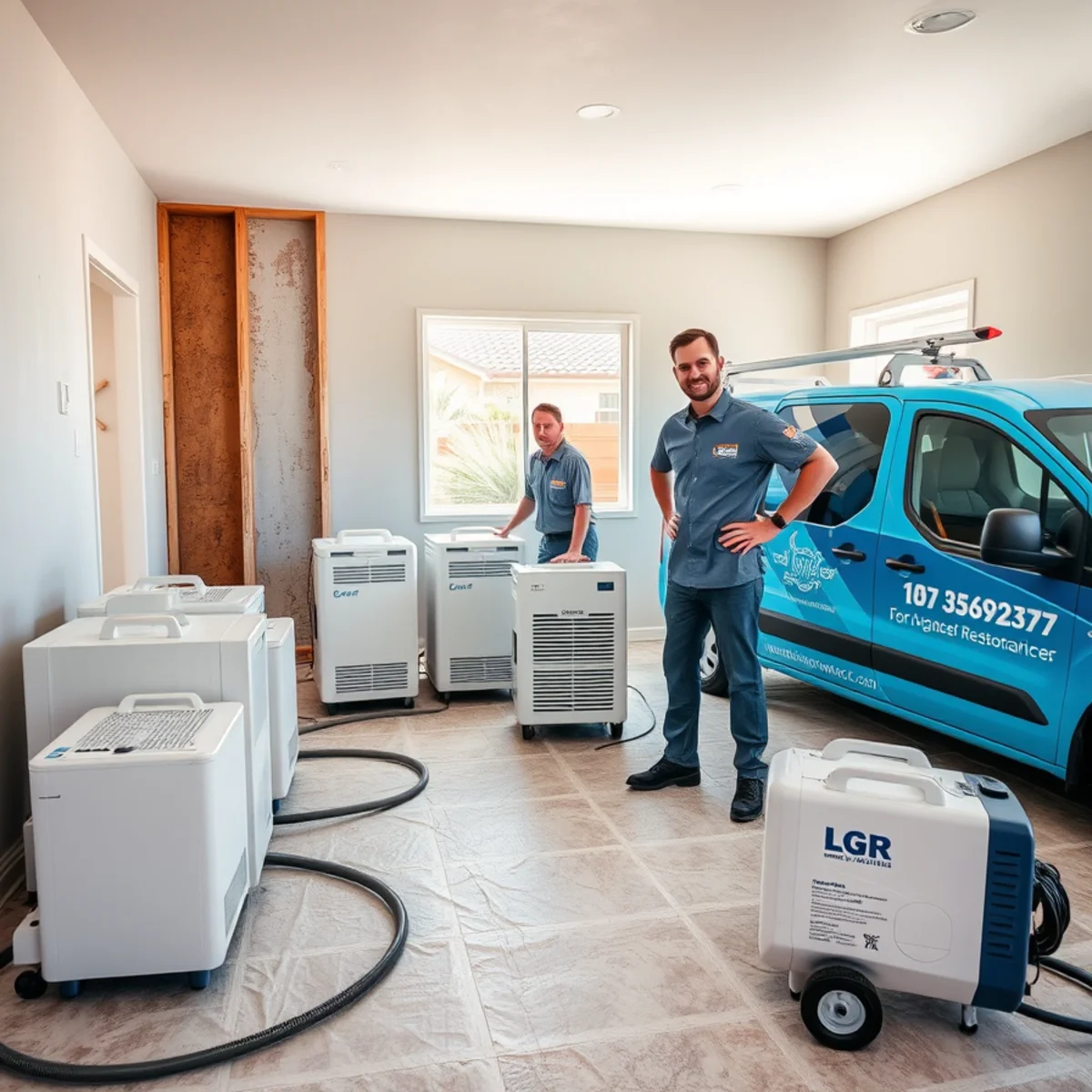
Most homeowners want one number, so here it is: in a typical Tempe home, structural drying takes about three to five days, and the full job — from the first phone call to a finished repair — usually runs one to three weeks when a rebuild is part of it. A small, clean leak caught early can wrap up faster. A large or contaminated loss that sat overnight takes longer. Drying follows the moisture, not the calendar.
That range catches people off guard. Some expect a one-day fix. Others brace for a month of fans and torn-out walls. The truth sits in between, and it moves in phases, each with its own clock. Knowing those phases helps you plan around the work, talk straight with your insurance adjuster, and recognize when a crew is rushing the drying to pull its equipment early.
Here is how the days actually break down, why Arizona’s slab-on-grade homes sometimes dry slower than you would expect, and how we decide when a home is genuinely dry instead of just dry to the touch.
Key Takeaways
- Structural drying typically takes three to five days; a full job with rebuild often runs one to three weeks.
- Extraction happens in hours, drying sets the pace, and reconstruction time depends on what was ruined.
- Slab construction, tile or wood over slab, dense materials, and monsoon humidity all slow drying here.
- A real crew dries to a verified moisture standard, not a fixed number of days.
- Fast response shortens every phase — call (866) 688-0301 the moment you find water.
The honest short answer
Water damage restoration is not a single task with a single deadline. It is a sequence: stop the water, pull it out, dry the structure, then repair what the water ruined. The first steps happen fast. The drying sets the pace, and in most homes it lands in the three-to-five-day window. Reconstruction, if you need it, is a separate stretch that depends on what has to be rebuilt.
A rough map of a standard Tempe job looks like this.
- Emergency response and extraction — the same day, often within hours of your call.
- Structural drying — usually three to five days, sometimes longer for dense materials.
- Reconstruction — from a day of drywall patching to a few weeks for flooring and cabinets.
The phases, and how long each one takes
Emergency extraction is the quickest phase. Once a crew is on site, pulling standing water and setting up drying equipment is often a matter of hours. We target a 60-minute response across Tempe because the sooner extraction starts, the less water soaks into framing and subfloor — and the shorter every phase that follows.
Structural drying is where the clock really runs. Commercial air movers and dehumidifiers pull moisture out of drywall, framing, and flooring day after day until the materials hit a dry target. For a clean-water loss on carpet and drywall, three to five days is normal. Hardwood flooring, plaster, and tile set over a concrete slab hold water far longer and can push drying past a week.
Reconstruction is the most variable phase because it depends entirely on what the water destroyed. Replacing a few feet of baseboard and repainting is quick. Re-laying tile, rebuilding a cabinet run, or replacing a soaked subfloor takes longer and may mean scheduling materials. Because one crew here handles your job from the emergency through the rebuild, there is no gap waiting for a second company to pick up where mitigation left off.
Active water emergency right now?
We answer 24/7 — a real person, not a machine.
What makes an Arizona home dry slower — or faster
Two homes can take the same gallon of water and dry on completely different schedules. A handful of factors decide which way yours goes, and several are specific to how homes are built here.
- Slab-on-grade construction — water spreads across a flat concrete slab and wicks into everything resting on it, with no basement to drain into.
- Tile or wood over slab — these trap moisture between the flooring and the concrete, which dries slowly and sometimes needs specialized mats.
- Dense materials — hardwood, plaster, and thick subflooring release water far slower than carpet and pad.
- Water category — clean supply-line water dries straightforward; gray or black water means removal and disinfection, which adds days.
- How long it sat — water that ran overnight saturates deeper and raises the mold risk, both of which extend the job.
- Monsoon humidity — during storm season the outdoor air is wetter, so dehumidifiers work harder to hit the same dry target.
Why we dry to a verified standard, not a set number of days
A fixed timeline is a guess. Moisture is a measurement. We follow the IICRC S500 standard, which means we set a dry goal based on unaffected materials in your home, then use moisture meters and sensors to track progress every day until the wet materials match it.
This matters because surfaces lie. Drywall and wood can feel dry to your hand while the core still holds water — exactly the hidden moisture that grows mold inside a wall. Pulling the equipment on day three because the schedule said so, while the framing is still wet, is how a dried home becomes a mold job three weeks later. We stop when the numbers say the structure is dry, and we document those readings so you and your adjuster can see it.
When can you move furniture back or move back in?
For most clean-water losses, you can stay in the home during drying as long as the affected area is contained and there are no electrical or contamination concerns. The equipment is loud and warm, and you will want to leave it running, but the house is livable.
Moving furniture and belongings back into the dried area should wait until the final moisture readings confirm the space is dry and any repairs are done. Putting a wood dresser back onto a subfloor that is still releasing moisture just traps it again. If the loss involved black water, or if drying required removing large sections of wall or flooring, we talk through when each part of the home is ready — not all at once, but as each area clears.
How to keep your timeline as short as possible
You have more influence over the timeline in the first hour than at any point after. The faster extraction starts, the less water soaks in, and the shorter the drying and repair phases both become. Waiting a day to see whether it dries on its own almost always makes the job longer, not shorter — and in Arizona’s heat it invites mold.
If you have an active leak, shut off the water, then call. We answer 24/7 and dry to standard, so the timeline you get is the real one. For a straight answer about your specific loss, call (866) 688-0301 and we will come look.
Frequently Asked Questions
How long does water damage take to dry?
In most Tempe homes, structural drying takes three to five days with commercial air movers and dehumidifiers running continuously. Dense materials like hardwood, plaster, and tile over a concrete slab can push that past a week. The only way to know a space is truly dry is a moisture reading, not the calendar.
Can water damage be fixed in one day?
Emergency extraction and setting up drying equipment can absolutely happen in one day, often within hours. But drying the structure itself takes several days, and any needed repairs come after that. A company promising a complete one-day fix for anything beyond a tiny spill is likely skipping the drying verification that prevents mold.
How long before water damage turns into mold?
Mold can begin growing within 24 to 48 hours of water sitting, and Arizona’s heat sits at the fast end of that window. That short clock is the main reason we answer 24/7 and target a 60-minute response — getting materials drying quickly is the best defense against a mold problem.
Why is my floor still wet days after the surface feels dry?
Tile and wood installed over a concrete slab trap water underneath, where surface air cannot reach it. That hidden moisture dries slowly and sometimes needs specialized drying mats. It is also why we measure moisture inside the assembly instead of trusting how the surface feels.
Do I have to move out during water damage restoration?
Usually not for a contained clean-water loss — you can stay as long as there are no electrical or contamination hazards and you leave the drying equipment running. You may need to relocate for a sewage loss, or when drying requires removing large sections of wall or flooring. We will tell you honestly which situation you are in.