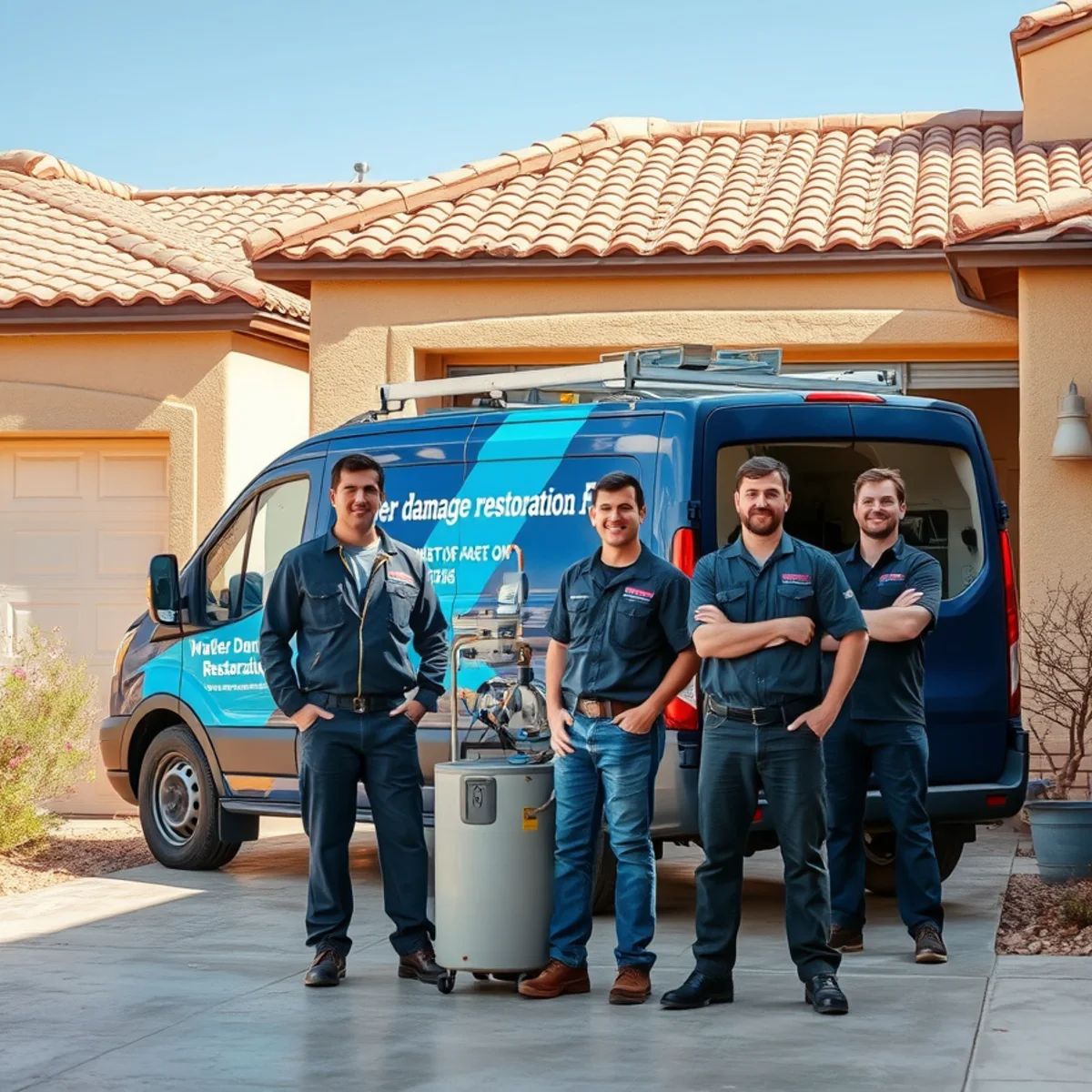

A burst pipe does not wait for a convenient time. A supply line lets go behind a wall or under the kitchen sink, and clean water starts pouring out at full house pressure — often while you are asleep or at work. In Tempe’s slab-on-grade homes, that water spreads fast across tile and wicks straight into drywall and baseboards.
The next few minutes decide how big this gets. Move in the right order — safety, then the water source, then documentation — and you protect your family and hold the damage down before our crew even arrives. We answer 24/7 and target a 60-minute response across Tempe. Here are the first five steps.
Key Takeaways
- Safety first: never touch a wet panel or stand in water to cut power.
- Shut the main water valve immediately — know where it is before you need it.
- Bleed the lines through low faucets, then lift and move belongings.
- Photograph the damage and save the failed pipe before cleanup — your claim depends on it.
- Call for extraction and drying fast; mold can start within 24 to 48 hours in Tempe heat.
Step 1: Kill the power if water is near electricity
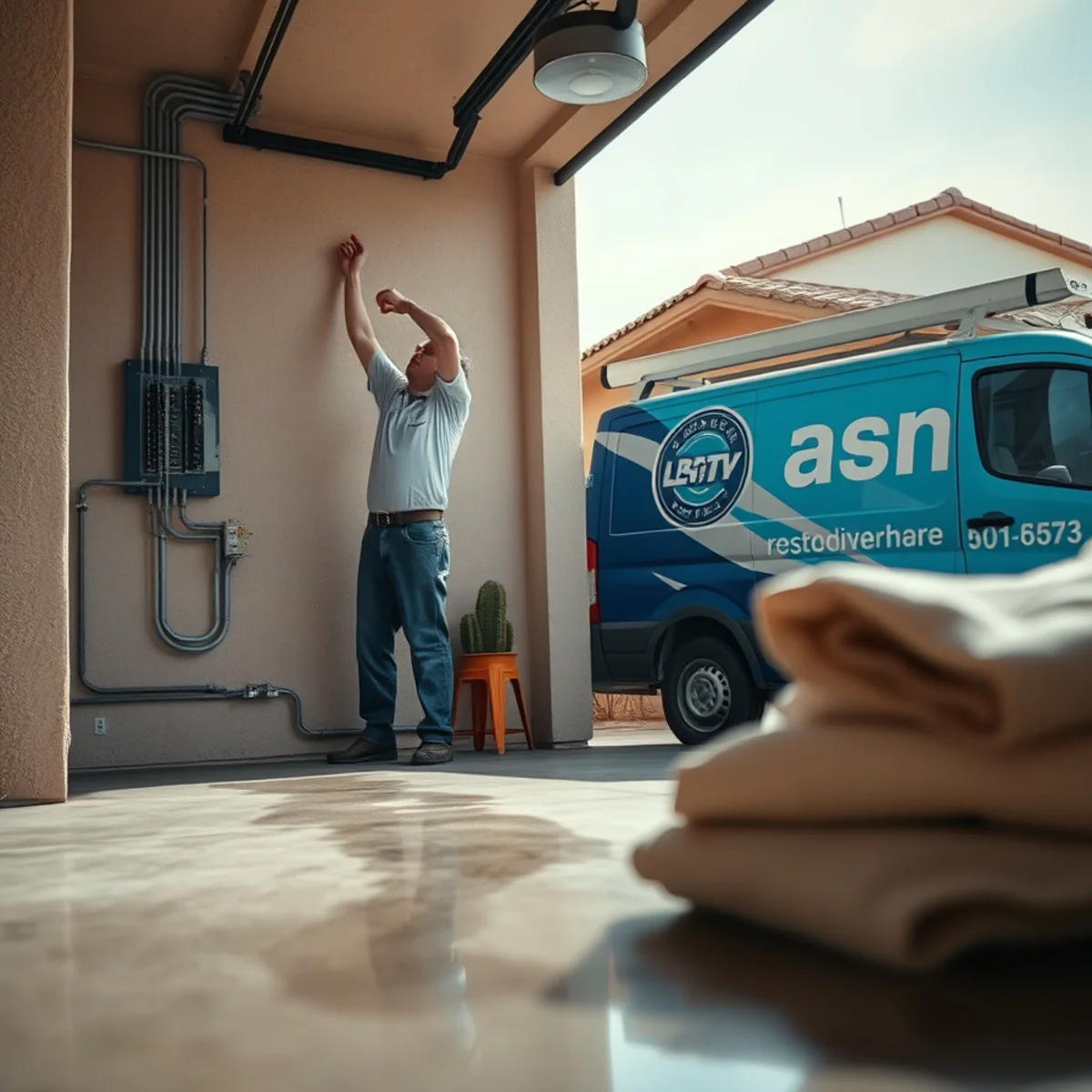
Water and electricity are the one combination that turns a plumbing problem into a life-threatening one. Before you chase the leak, look at where the water is going. If it is spreading toward outlets, a submerged power strip, or an appliance, treat the area as energized until you know otherwise.
If you can reach your breaker panel from a dry spot, shut off power to the affected rooms. If the panel itself is wet, or you would have to stand in water to reach it, stop — leave it alone and call an electrician or the fire department. No belonging is worth a shock.
- Keep everyone out of standing water near outlets or appliances.
- Never touch a wet electrical panel or stand in water to reach a breaker.
- If you smell gas or water is near the furnace, leave and call for help.
Step 2: Shut off your main water valve
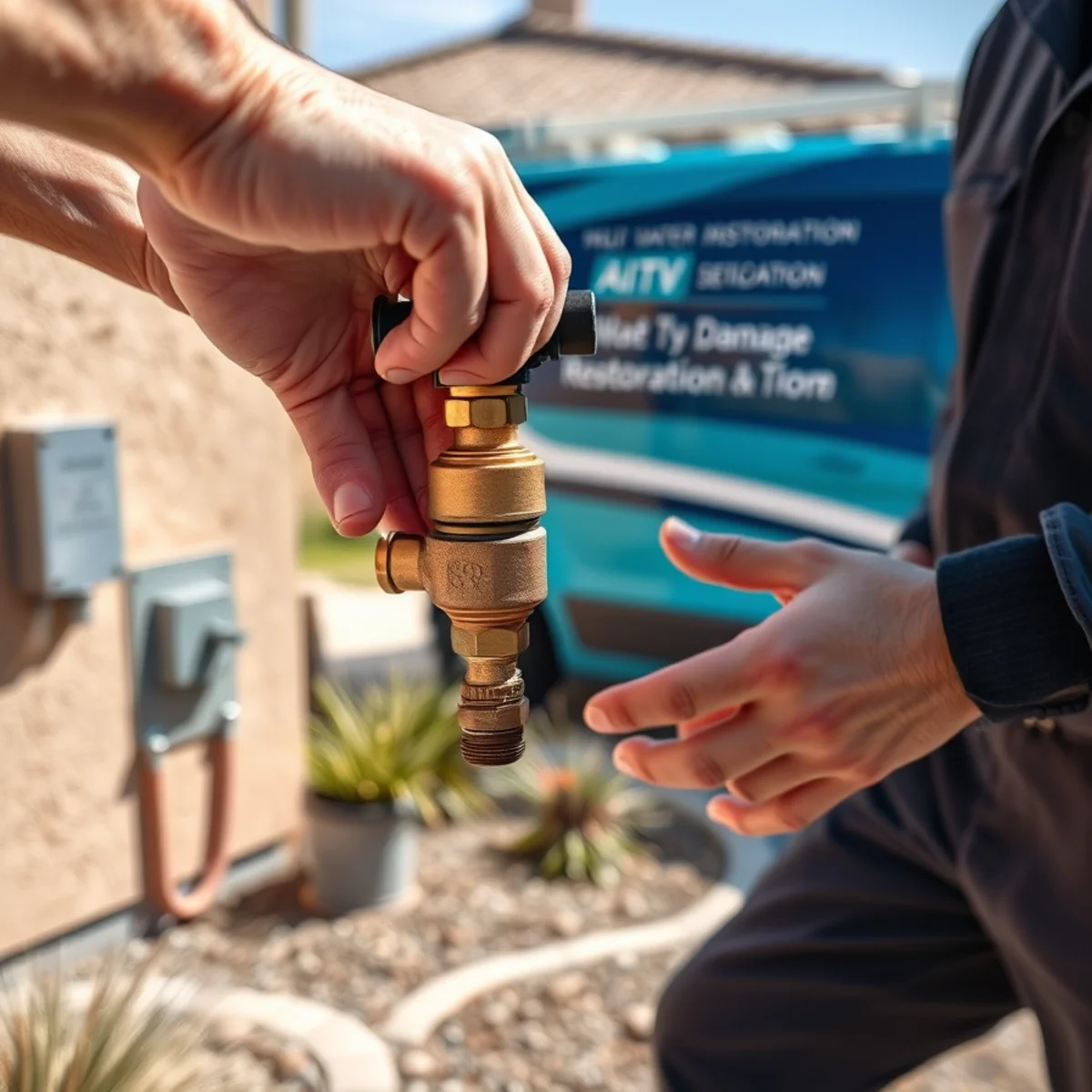
Stopping the source is the single most valuable thing you can do. Every minute the line runs, more water goes into your slab and walls. For a burst supply line, the fastest fix is your home’s main shutoff — usually where the water line enters the house, near the front hose bib, or at the meter box by the street.
Turn the valve clockwise until it stops. If it is a lever, rotate it a quarter turn so it sits across the pipe. If you cannot find or budge the main, shut the local supply valve under the fixture — the small oval knob behind a toilet or under a sink. Find your main valve now, before the emergency, so you are not searching in the dark.
- The main shutoff is usually at the front of the house, near the hose bib, or in the meter box.
- Turn a round valve clockwise; turn a lever a quarter turn across the pipe.
- If the main is stuck, close the fixture’s local supply valve instead.
Active water emergency right now?
We answer 24/7 — a real person, not a machine.
Step 3: Open faucets and bleed the lines
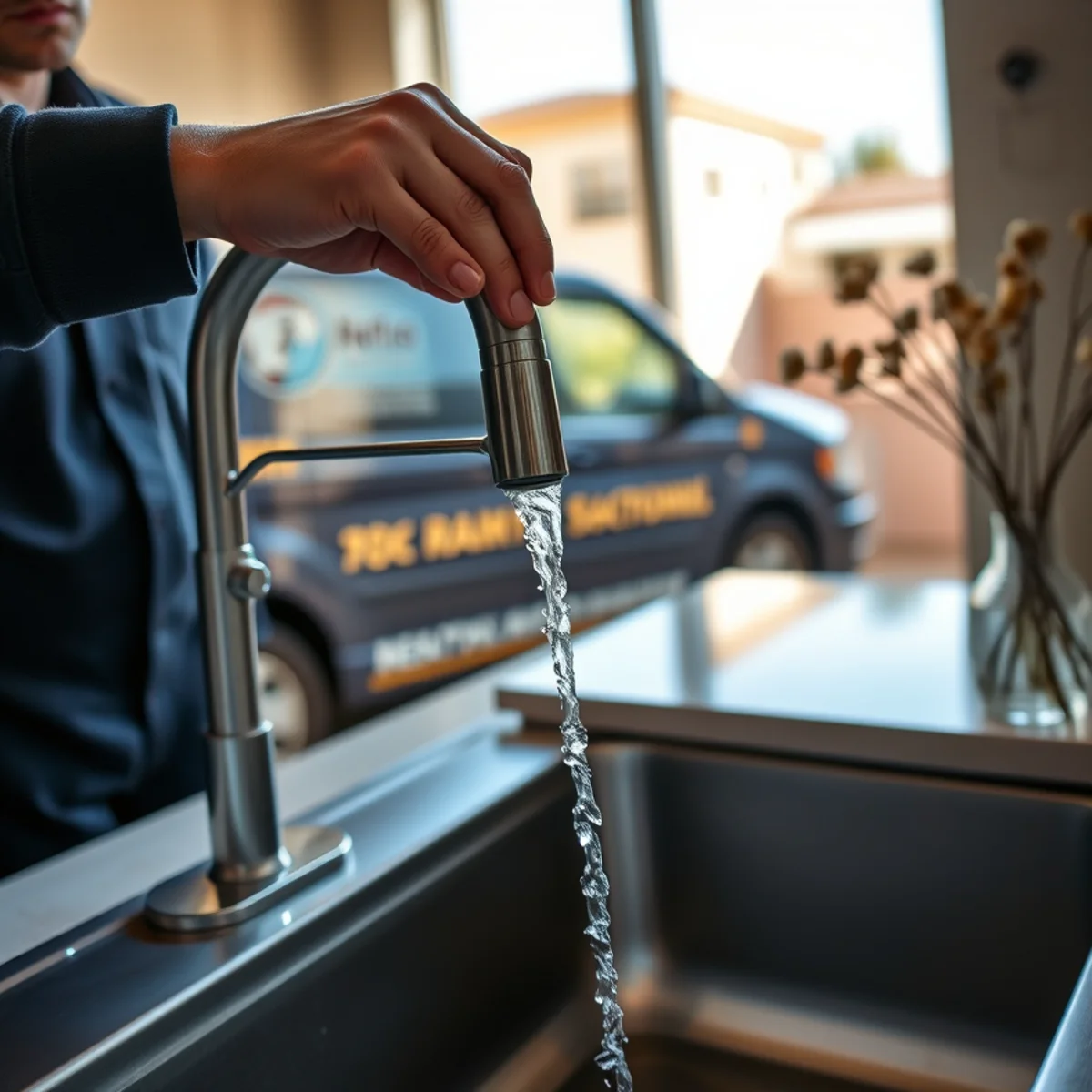
With the main off, there is still pressurized water sitting in your pipes, and it will keep draining out of the break. Open the lowest faucets in the house — an outside hose bib or a downstairs tub — to bleed that pressure off quickly, and flush the toilets once to empty the tanks.
This small step stops the residual flow and takes strain off the damaged section. If the burst is on a hot line, opening a hot tap also relieves pressure from your water heater tank.
Step 4: Move and lift what the water can reach
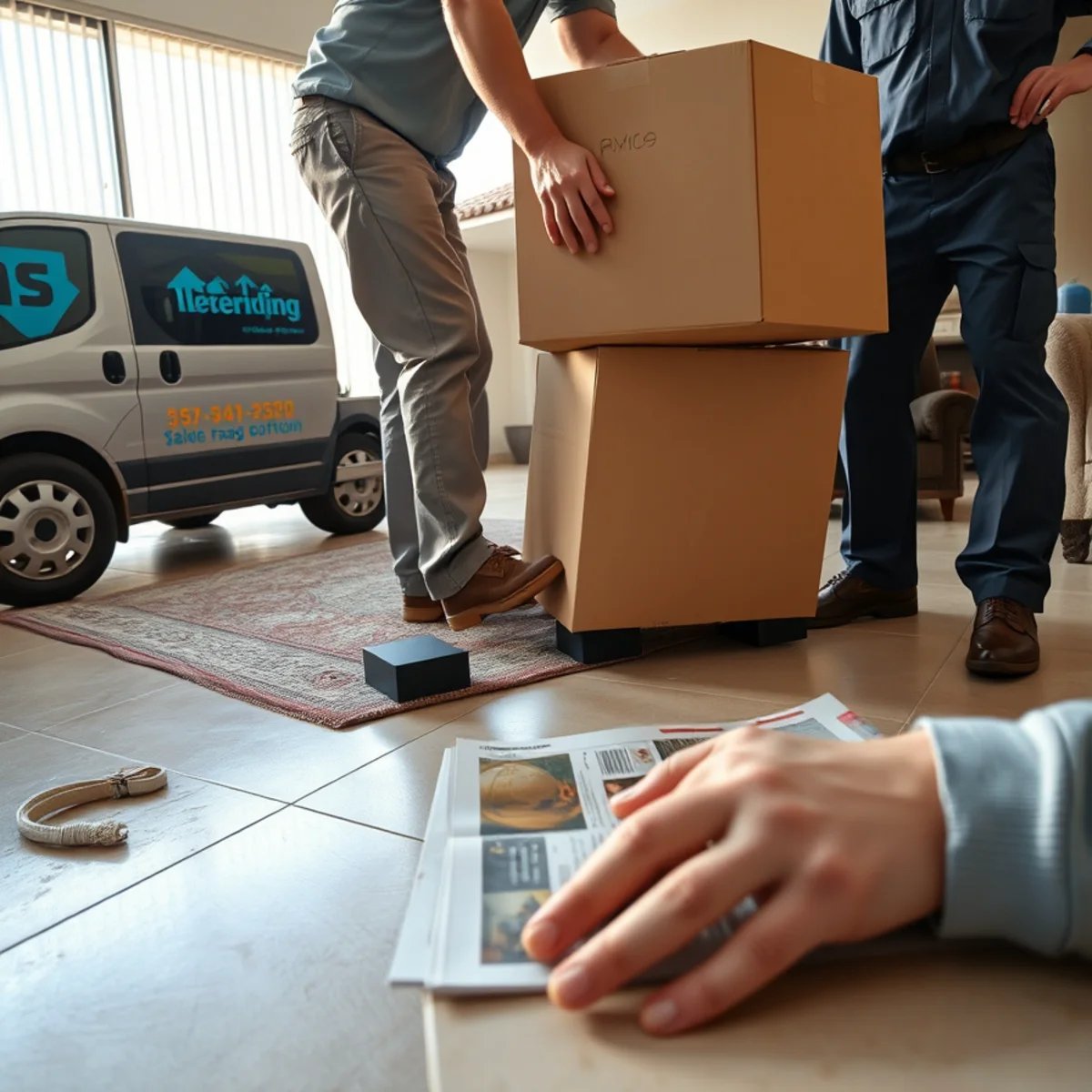
Now protect belongings. Clean water becomes dirty and destructive the longer it sits, and porous items wick it upward. Lift rugs, electronics, shoes, and low furniture off wet floors and carry them to a dry room. For heavy pieces you cannot move, slide foil or wood blocks under the legs so the finish does not bleed into wet flooring.
In a slab home, the bottom few inches of drywall and the baseboards soak up water first, so clear anything sitting on the floor of closets, pantries, and the garage. Blot standing water with towels if you can do it safely, but do not run a household vacuum over it.
- Get electronics and anything porous up and out of the wet area.
- Blot with towels; skip the household vacuum on standing water.
- Prop furniture legs on foil or blocks to stop staining.
Step 5: Document everything before you mop up

This is the step people skip when they are stressed, and it costs them at claim time. Before you clean, photograph and video the whole scene — the break itself, water spread across the floor, wet baseboards, and any damaged belongings up close. Get the water line against a fixed point like a door frame.
Insurance adjusters pay on evidence. Ten minutes of thorough photos is the difference between a smooth claim and an argument. Save the ruined section of pipe, and keep receipts for anything you buy to stop the damage.
- Photograph the burst, the water spread, and damaged items close up.
- Keep the failed section of pipe for the adjuster.
- Save receipts for towels, fans, or a shutoff tool.
Call for burst pipe cleanup before mold starts
Getting the water off the surface is only half the job. The water you cannot see — inside wall cavities, under cabinets, and along the slab — is what grows mold, and in Tempe’s heat that can begin within 24 to 48 hours. Box fans and open windows will not dry a wall to a safe standard.
Professional burst pipe cleanup means truck-mounted extraction, LGR dehumidifiers, and air movers, with moisture meters and thermal imaging to confirm the structure is actually dry — not just dry to the touch. Our crews work to the IICRC S500 standard and document every reading for your claim. If a pipe just let go, call us and we will talk you through the rest while we roll.
Where Tempe burst pipes usually happen
Most burst-pipe calls we run in Tempe are not dramatic winter freezes. They are aging supply lines, corroded fittings, and failed washing-machine or water-heater connectors in 1960s–80s homes. Hard water here runs 16 to 25 grains per gallon, and years of scale wear pipes and fixtures from the inside out.
Homes across Tempe — from the Kyrene Corridor to the older blocks near Mill Avenue — share the same slab-on-grade construction, so a small leak that runs all night can travel a surprising distance. Knowing where your main shutoff is, and swapping brittle rubber supply hoses for braided steel, prevents most of the worst losses.
Frequently Asked Questions
Where is my main water shutoff valve?
In most Tempe homes it is where the water line enters the house — near the front hose bib, in a garage wall, or in the meter box at the street. Turn a round valve clockwise, or a lever a quarter turn across the pipe. Locate and test it now so you are not searching during an emergency.
Can I just let the wet drywall dry on its own?
No. Air-drying leaves moisture trapped in wall cavities and under baseboards, where mold begins within 24 to 48 hours in our heat. A verified dry-out uses commercial dehumidifiers and moisture meters, not box fans.
How fast can you reach my Tempe home?
We answer 24/7 and target a 60-minute response across Tempe. Call as soon as the water is shut off — we can guide you through the next steps while our crew is on the way.
Will insurance cover a burst pipe?
Sudden, accidental water damage from a burst pipe is often covered by a standard homeowners policy, unlike slow, gradual leaks. Documenting the break and the damage well is what makes the claim go smoothly. We help capture what the adjuster needs.